
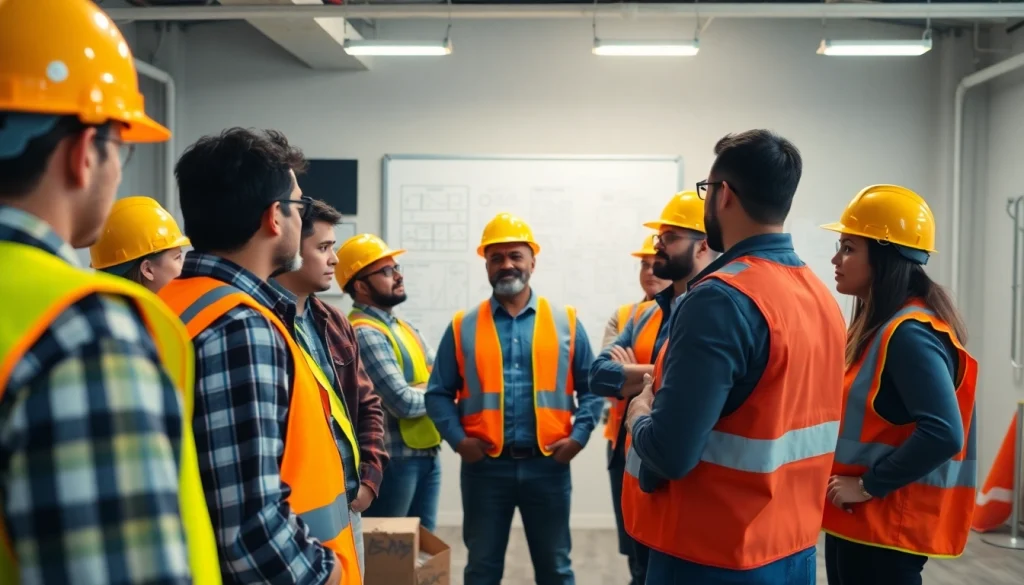
Understanding the Importance of Construction Safety Training
The construction industry is one of the most dangerous sectors, making construction safety training an indispensable component of the workplace. Safety training is designed to educate workers about the risks they face on-site and instill the practices necessary to mitigate these risks. Without effective training programs, the likelihood of accidents increases significantly, leading to injuries, fatalities, and legal repercussions for companies. As we delve deeper into this subject, we will explore the various facets of construction safety training, the critical need for such programs, and the most effective methods for delivering them.
Why Safety Training Matters in Construction
Safety training serves as a proactive measure in the construction industry, protecting not only workers but also improving overall project efficiency and reducing costs associated with accidents. A well-trained workforce can recognize hazards, adhere to safety protocols, and take appropriate action to prevent accidents. Companies that prioritize safety training often observe a notable decrease in incident rates and a positive shift in workplace culture, fostering a safer and more productive environment.
Common Risks in Construction Environments
Construction sites are fraught with hazards, which can manifest in various ways, including:
- Falls from heights due to improper use of ladders and scaffolding
- Electrocution from contact with power lines or defective equipment
- Being struck by objects, including tools or materials
- Injuries related to machinery, including cuts or crush injuries
- Exposure to harmful substances, such as asbestos or chemicals
Identifying these common risks is vital for developing measurable and targeted safety training programs that address these threats directly.
Legal Requirements for Safety Training
In many jurisdictions, construction firms are required to adhere to legal standards for safety training, as established by safety regulatory bodies such as the Occupational Safety and Health Administration (OSHA) in the United States. These regulations mandate that employers provide appropriate training and education to ensure that workers are aware of the hazards associated with their jobs. Compliance not only safeguards employees but also protects employers from financial and legal liabilities that can result from workplace accidents.
Key Components of Effective Safety Training Programs
To create a robust safety training program, companies must incorporate several key components that enhance learning and retention of critical safety information.
Identifying the Right Training Techniques
Different workers may respond better to various training techniques. A mix of interactive training sessions, hands-on demonstrations, and visual aids can cater to diverse learning preferences. Utilizing adult learning principles, such as experiential learning, encourages workers to engage actively with the material, leading to better understanding and retention of safety practices.
Utilizing Technology in Safety Training
Incorporating technology into safety training can significantly enhance the learning experience. Virtual reality (VR) and augmented reality (AR) simulations provide realistic scenarios that can help employees practice safety protocols in a controlled environment. Additionally, online training modules enable flexible learning and accessibility, making it easier for workers to comply with training requirements, especially in larger projects with diverse shifts.
Creating Comprehensive Training Materials
Effective safety training relies on well-designed training materials that are relevant, up-to-date, and easy to understand. Organizations should develop a suite of resources, including manuals, quick-reference cards, and online modules, that outline safety protocols, risks, and emergency procedures. These materials should be regularly reviewed and updated to maintain compliance with evolving safety standards.
Best Practices for Delivering Construction Safety Training
Delivering training effectively is just as important as the material itself. Here are some best practices to consider.
Engaging Workers with Interactive Methods
To enhance engagement during training sessions, trainers should incorporate interactive methods such as role-playing, group discussions, and quizzes. These activities promote active participation and stimulate critical thinking, enabling workers to apply what they learn to real-world scenarios.
Measuring Training Effectiveness
To understand whether safety training initiatives are successful, companies must establish metrics for measurement. Pre-and post-training assessments, surveys, and observation of on-the-job practices can provide valuable insights into areas requiring improvement. Regular feedback sessions allow trainers to adjust programs based on worker performance and comprehension levels.
Continuous Improvement in Training Programs
Safety training is not a one-time event. Continuous improvement is critical to maintaining a safe work culture. Regularly update training materials, incorporate employee feedback, and stay informed about industry changes to ensure that training remains relevant and effective. Consider conducting follow-up sessions or refresher courses to reinforce essential concepts and keep safety top of mind.
Addressing Common Challenges in Construction Safety Training
While implementing safety training programs is essential, various challenges can hinder their success. Here, we explore common obstacles and propose solutions.
Overcoming Resistance to Training
Resistance to training efforts can stem from a lack of awareness of its importance or negative past experiences. Employers should emphasize the benefits of safety training, highlighting how it contributes to worker well-being and job security. Utilizing real-life case studies of incidents can make the relevance of the training clearer, prompting greater employee buy-in.
Adapting Training for Diverse Workforces
Construction teams often include individuals from various backgrounds and skill levels. Tailoring training programs to meet these diverse needs is critical. Personalize training methods based on language skills, prior experience, and cultural differences. This adaptability can foster inclusivity and ensure a better comprehension of safety protocols for all workers.
Finding Suitable Training Resources
With the plethora of safety training resources available, selecting the most appropriate ones can be overwhelming. Companies should consider evaluating different training providers, looking for certifications or accreditations, and identifying programs tailored specifically to construction safety. Collaborating with industry experts can also lead to more customized training solutions suited to specific work environments.
Evaluating the Impact of Safety Training on Workplace Safety
The ultimate goal of safety training is to create a safer workplace. Evaluating its impact is essential in measuring its effectiveness.
Key Performance Indicators for Safety Programs
Companies should track specific Key Performance Indicators (KPIs) to assess the effectiveness of safety training programs. These may include:
- Incident and accident rates before and after training
- Employee participation rates in training sessions
- Results from assessments or quizzes post-training
- Reduction in worker compensation claims
- Observational audits of safety practices on-site
These metrics will provide data-driven insights into whether training efforts are positively influencing workplace safety.
Case Studies of Successful Training Initiatives
Examining real-world examples of successful safety training initiatives can serve as motivational case studies for construction companies. For instance, a major contractor may have implemented a safety training overhaul that led to a dramatic decrease in accidents and improved employee morale. Analyzing the components of these programs — such as targeted training sessions, enhanced communication, and leadership involvement — can offer invaluable lessons and best practices for other organizations.
Future Trends in Construction Safety Training
The landscape of construction safety training continues to evolve. Emerging trends suggest an increased reliance on technology, such as AI and machine learning, to predict risks and customize training. Additionally, an emphasis on mental health and overall well-being is gaining traction, recognizing that psychological safety is just as crucial in preventing accidents as physical safety. Companies that stay ahead of these trends will not only comply with regulations but foster a culture of safety that protects their most valuable assets — their workers.