
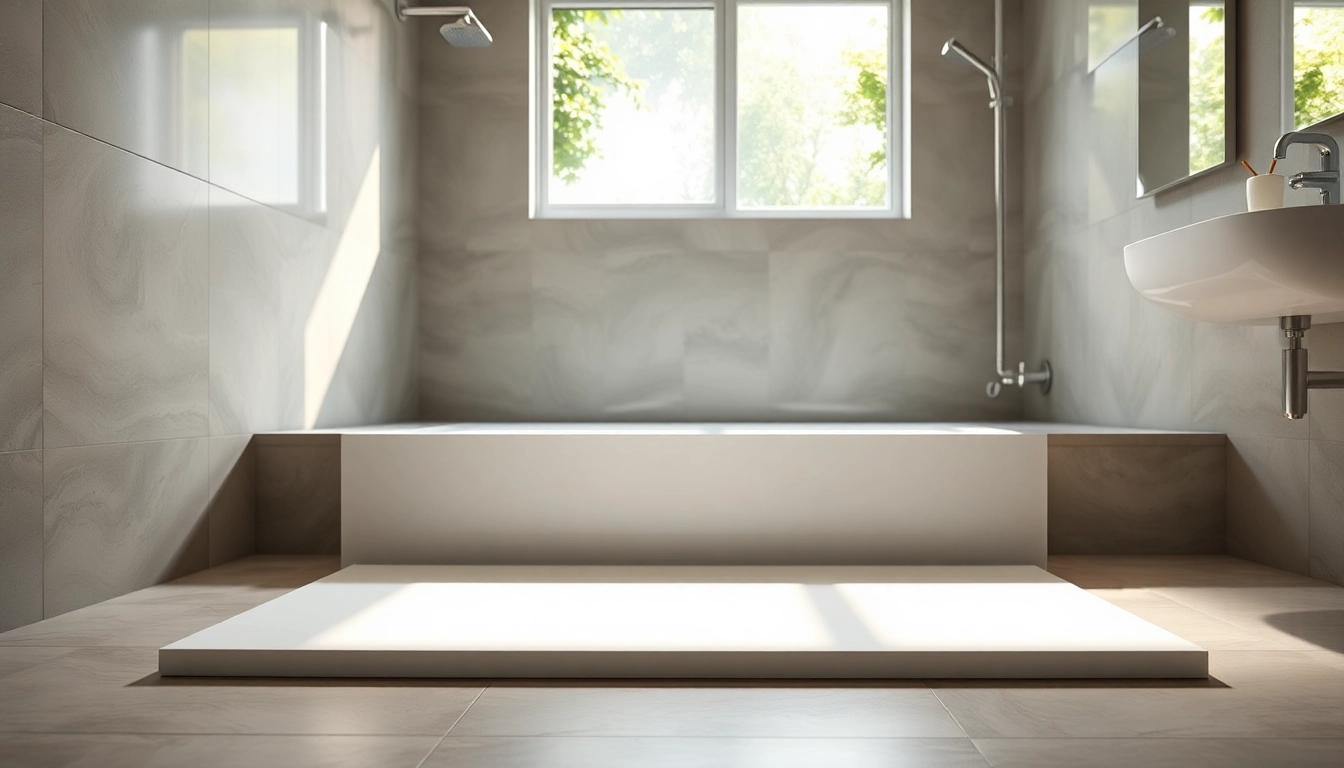
Understanding Shower Base Types
Choosing the ideal shower base is pivotal for your bathroom project, as it determines both aesthetics and functionality. Different shower base types cater to various needs, styles, and installation scenarios, making it essential to understand the options available. This comprehensive guide will delve into the various materials, designs, sizes, and features you need to consider when selecting a shower base.
What are the Common Shower Base Materials?
Shower bases come in several materials, each offering unique benefits:
- Acrylic: Lightweight and easy to install, acrylic shower bases resist stains and offer a variety of colors and designs. They’re relatively durable but may require extra care to maintain a scratch-free surface.
- Fiberglass: Another lightweight option, fiberglass bases tend to be the most affordable. However, they are susceptible to fading and cracking over time.
- Cast Iron: Known for its durability and heat retention, cast iron shower bases can last for decades. They are usually paired with a more elegant design but are heavier and require sturdy support during installation.
- Stone Resin: Merging natural stone and resin, these bases offer superior insulation and aesthetic appeal. They are less prone to cracks but can be more expensive.
- Tile: Customizable and aesthetically versatile, tile-based showers provide a wide range of design options. However, they require meticulous installation and maintenance due to grout lines.
Frameless Shower Bases vs. Traditional Models
The choice between a frameless and a traditional shower base can significantly impact the overall look and feel of your bathroom. Frameless shower bases are modern and often feature a sleek, minimalist design. They can make a space appear larger and are usually made from glass or acrylic. However, they may be less forgiving in terms of water drainage and require excellent waterproofing. Traditional models, conversely, typically include framed structures that provide more stability and could be easier to install but may not fit as seamlessly into a modern bathroom design.
How to Choose the Right Size for Your Shower Base
Determining the right size for your shower base involves measuring the available space accurately. Consider the following:
- Assess the shower enclosure dimensions: Ensure you have ample room to include the shower head, fixtures, and to move comfortably.
- Plan for user accessibility: For families, consider future needs, ensuring enough space for different age groups.
- Check local regulations: Some areas have requirements regarding minimum shower space, especially in homes for older adults.
A common sizing convention involves 36” x 36” for standard setups, but custom dimensions can be ordered to suit unique bathrooms.
Benefits of Installing a Quality Shower Base
A well-selected shower base enhances your bathroom experience, reflecting your personal style and improving everyday convenience. Here are several benefits of investing in a quality shower base:
Durability and Longevity of Your Shower Base
Quality shower bases, whether made from acrylic, fiberglass, or stone resin, provide durability that withstands regular use. A robust shower base reduces the need for replacements or repairs, fostering long-term value for your investment.
Maintenance Tips for Your Shower Base
Maintaining a shower base requires attention to detail to preserve its appearance and functionality. Follow these tips:
- Regularly clean with non-abrasive cleaners to avoid scratching.
- Ensure proper ventilation in your bathroom to prevent mold growth.
- Check seals and caulking periodically and replace them as needed to maintain waterproof integrity.
Design Options and Personalization
Your shower base is an opportunity to showcase your style. From color choices to textured finishes, explore how different materials can align with your bathroom décor. Customized shower bases also allow for unique dimensions and designs, enhancing the overall appeal of your bathroom.
Installation Process for Your Shower Base
Installing a shower base can be a fulfilling DIY project with the right tools and approach. However, incorrect installation may lead to leaks and other issues, so follow the guidelines outlined below.
Essential Tools for Shower Base Installation
Before getting started, gather the following tools:
- Measuring tape
- Level
- Jigsaw or circular saw (if cutting is necessary)
- Drill with appropriate bits
- Silicone sealant
- Rubber mallet
- Caulking gun
- Sponge and bucket (for cleanup)
Step-by-Step Guide to Installing a Shower Base
Follow these steps to install your shower base:
- Prepare the area: Remove the old base and ensure the subfloor is level and clean.
- Set the shower base in position: Place it in the designated area to check for fit.
- Secure the base: Follow manufacturer guidelines, ensuring it’s securely fastened and level.
- Connect the drain: Carefully install the drain assembly, ensuring proper alignment with your plumbing.
- Seal edges: Use silicone sealant around the base edges to prevent water leakage.
- Test for leaks: Once everything is installed, run water to check for leaks and adjust as necessary.
Common Mistakes to Avoid During Installation
When installing a shower base, be mindful of these common pitfalls:
- Neglecting to level the base, which can lead to improper drainage.
- Forgetting to seal edges adequately, leading to water damage over time.
- Using an incompatible drain size, causing leaks or inadequate drainage.
Shower Base Safety Considerations
Safety is paramount in any bathroom installation. The following considerations ensure a safe showering experience:
Slip Resistance: What to Look For in a Shower Base
Choose shower bases with textured surfaces or those specifically rated for slip resistance. This is particularly important for households with young children or older adults who may be more prone to slips.
Water Drainage Best Practices for Shower Bases
Ensure your shower base incorporates efficient drainage systems. This involves proper alignment of the base with plumbing fixtures and maintaining a downward slope towards the drain. Regularly check for debris that may hinder drainage.
Accessibility Features for Your Shower Base
Consider features such as low-threshold designs or integrated grab bars. These elements make your shower base welcoming for individuals of all ages, particularly those with mobility challenges.
Frequently Asked Questions About Shower Bases
How Do I Clean My Shower Base Effectively?
Use a soft cloth and a mild, non-abrasive cleaner. Rinse thoroughly to prevent residue buildup, fostering a clean and hygienic surface.
Can I Replace My Shower Base Without Renovating?
Yes, as long as the new base fits the existing dimensions and plumbing. Ensure proper sealing to prevent leaks.
What’s the Average Cost of a New Shower Base?
The cost typically ranges from $200 to $1,500+, influenced by material choice, size, and design complexity.
How Long Does a Shower Base Last?
On average, quality shower bases can last between 10 to 30 years, depending on material, maintenance, and usage.
Are Shower Bases Difficult to Install?
Installation can be manageable for DIYers with basic skills. Following proper guidelines and precautions is crucial to ensure success.