Understanding the Basics of Fly Fishing for Bass
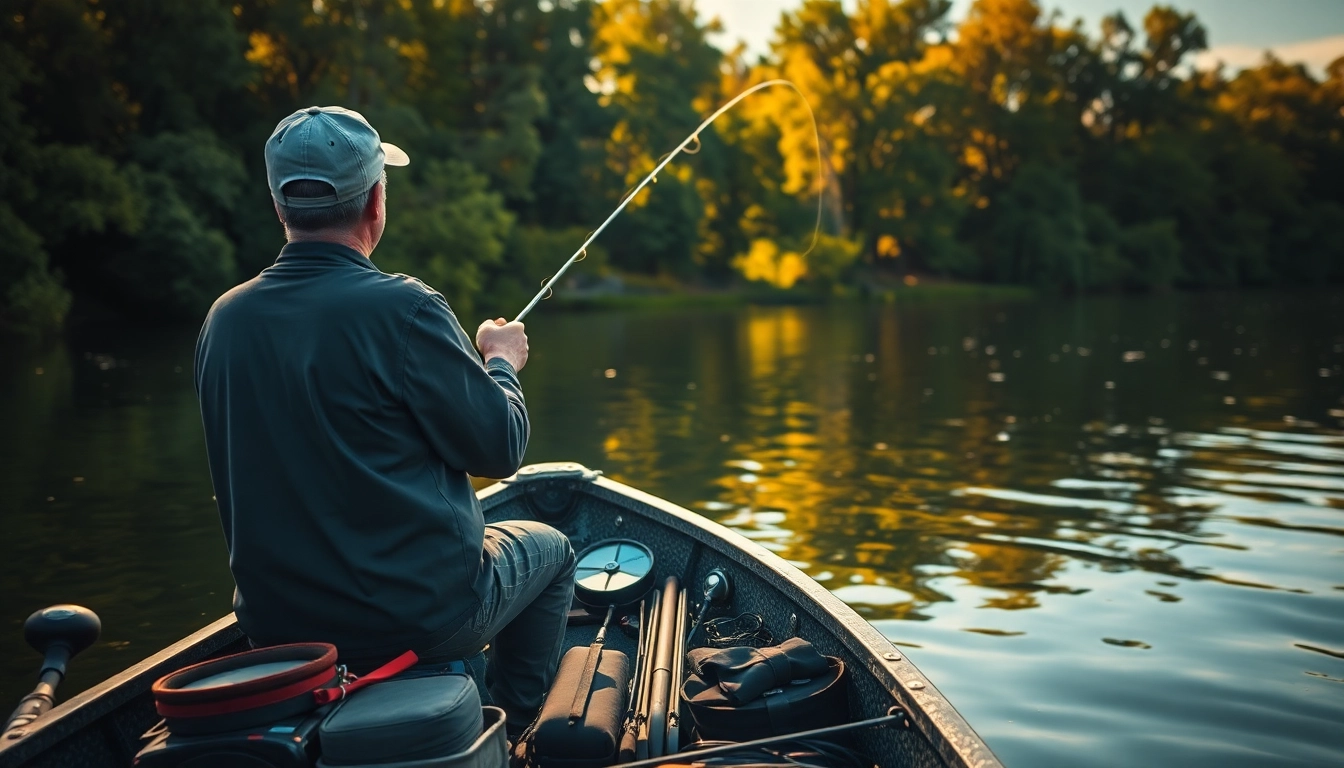
Fly fishing for bass is a technique that blends the art of casting with the thrill of angling, offering a unique approach to one of the most popular freshwater fish. Understanding the fundamentals is key to mastering this rewarding hobby. In this guide, we’ll delve into what fly fishing is, the specific benefits it provides for targeting bass, and essential gear you'll need to get started. For those eager to learn more about the sport and its nuances, fly fishing for bass encompasses strategy, skill, and a deep appreciation for nature.
What is Fly Fishing?
Fly fishing is a method of angling that uses artificial flies as bait. Unlike traditional fishing, which may utilize worms, minnows, or other organic baits, fly fishing relies on intricately designed lures that mimic aquatic insects or baitfish. The main distinction lies in the type of rod, reel, and line used. Fly fishers employ lightweight flies that are cast with a specialized line and are designed to float on or near the water's surface, enticing fish with their natural appearance and movement.
The Benefits of Fly Fishing for Bass
Fly fishing for bass offers several advantages that make it an attractive option for anglers:
- Precision: The ability to cast accurately allows anglers to target specific areas where bass may be hiding, such as under overhanging trees, near submerged structures, or on the edges of weed beds.
- Active Engagement: Fly fishing requires constant movement and adjustment, making it a more active and engaging fishing experience compared to traditional methods.
- Varied Techniques: The wide array of fly designs and fishing techniques available gives anglers a greater ability to match the hatch and appeal to bass's feeding habits.
- Connection with Nature: Fly fishing often takes place in serene settings, allowing fishermen to immerse themselves in nature while pursuing their sport.
Basic Gear and Equipment Needed
To start fly fishing for bass, you'll need to gather the right equipment. Here are the basics:
- Fly Rod: A medium-weight rod (5 to 7 weight) is typically ideal for bass fishing. Look for a rod that offers good sensitivity and backbone to handle the fight of larger fish.
- Fly Reel: Choose a reel that balances well with your rod and has a reliable drag system to manage sudden runs from bass.
- Fly Line: Floating lines work best for bass, as they keep your fly on the surface or just below, where bass often strike.
- Leader and Tippet: Use a tapered leader to provide a smooth transition from your fly line to the fly. A tippet of 10- to 12-pound test is typically sufficient for bass.
- Flies: Popular fly patterns for bass include streamers, poppers, and divers. Experimenting with different colors and sizes can yield varied results.
- Accessories: Don’t forget a fly box, fishing net, waders or boots, and polarized sunglasses for visibility in the water.
Essential Techniques for Fly Fishing for Bass
Choosing the Right Casting Technique
The casting technique is vital for successful fly fishing. Different casting styles can be used depending on conditions and target areas:
- Overhead Cast: This is the most common technique, allowing for longer casts and the ability to cover more water. It involves a back cast and forward cast, using wrist action to produce a smooth and accurate line release.
- Roll Cast: Ideal for casting in tight spaces or when there is limited backcasting room, the roll cast propels the fly forward using the water's surface to create the necessary tension.
- Sidearm Cast: This technique helps in windy conditions and when fishing near shoreline cover, as it allows the angler to avoid obstacles while still delivering the fly accurately.
Effective Fly Patterns for Bass
Choosing the right fly pattern can make or break a fishing trip. Best practices include understanding seasonal patterns and bass diets:
- Streamers: Imitate baitfish and larger insects. Look for patterns like Clouser Minnows or Woolly Buggers, which can provoke aggressive strikes from bass.
- Poppers: These floating flies are designed to create surface disturbances. During warmer months, topwater fishing with poppers can be particularly exhilarating and effective.
- Diverse Colors and Sizes: Variations can prove crucial; try matching the local forage and adjust based on visibility conditions.
Reading Water to Find Bass
Understanding the water and the behavior of bass is essential for success:
- Structure: Look for submerged rocks, logs, and vegetation where bass tend to hide.
- Temperature Changes: Bass prefer warmer waters, so seek out shallower areas during colder months.
- Current and Flow: Areas with varying currents—like cuts in vegetation or banks with slight structure—can be prime locations for ambushing bass.
Advanced Strategies for Successful Bass Fishing
Targeting Specific Bass Species
The bass family consists of both largemouth and smallmouth species, each with unique habits and preferred environments:
- Largemouth Bass: Typically found in warmer, shallower waters with plentiful cover, they respond well to slower-moving flies.
- Smallmouth Bass: These tend to be found in cooler, rocky areas, and seem to prefer more aggressive presentations with faster retrieves.
Identify your target species and tailor your approach accordingly to maximize success.
Adjusting Techniques Based on Conditions
Environmental factors like weather and time can significantly affect bass behavior:
- Temperature: Bass are more active during warmer temperatures but may seek deeper waters when it’s hot.
- Weather Fronts: Post-frontal conditions may lead to slowed fishing; try using slower retrieves and smaller flies.
- Time of Day: Early mornings and late evenings are often peak feeding times, requiring you to adapt your schedule and strategy.
Utilizing Technology for Improved Results
Modern technology provides anglers with tools that can enhance their fishing experience:
- Fish Finders: Utilizing sonar technology can help identify where bass are congregating, providing valuable data on water depth and structure.
- Weather Apps: Stay updated with real-time weather conditions to select the best times for outings.
- Online Forums and Communities: Engaging with experienced anglers through social media or websites provides insights on local tips and successful techniques.
Common Challenges and How to Overcome Them
Dealing with Weather Variations
Weather can be unpredictable and often influence fishing success:
- Adapting to rain, wind, or temperature changes may require you to change locations or alter techniques. Always have backup plans and be flexible with your gear.
- In rainy conditions, bass often become more active as the water cools, but high winds may make casting difficult.
Understanding Bass Behavior
Knowing how to read the mood of bass is crucial:
- Changes in light and temperature can influence feeding patterns. Pay attention to their locations throughout the day.
- Look for signs of feeding, such as surface disturbances and jumps, to gauge the activity level of bass.
Troubleshooting Equipment Issues
Ensuring your gear is functional is essential for a successful outing:
- Regularly inspect your fly line for wear and replace it as needed. Damaged lines can lead to poor casting performance.
- Check the reel for proper drag settings and ensure it's easily functioning before heading out.
- Be prepared for equipment malfunctions—keep spare flies, leaders, and tools handy for quick adjustments on the water.
Maintaining Your Fly Fishing Gear
Proper Cleaning and Storage Techniques
Proper maintenance is key to extending the lifespan of your fly fishing gear:
- After fishing, always rinse your gear in freshwater to eliminate salt, dirt, and algae.
- Let your fly line dry completely before storing it to prevent mildew or damage.
Upgrading Your Gear Effectively
As you gain experience, consider upgrading your equipment:
- Invest in higher quality rods and reels that fit your unique casting style and preferences. A good rod can enhance your overall experience.
- Experiment with different types of lines and flies to find the best match for your fishing style and conditions.
Recommended Maintenance Practices
Establishing a routine will keep your gear in optimal shape:
- Regularly check and change out tippets and leaders to avoid break-offs when you hook into a big bass.
- Keep a journal to track your fishing conditions and successes, which can inform future gear choices and techniques.