
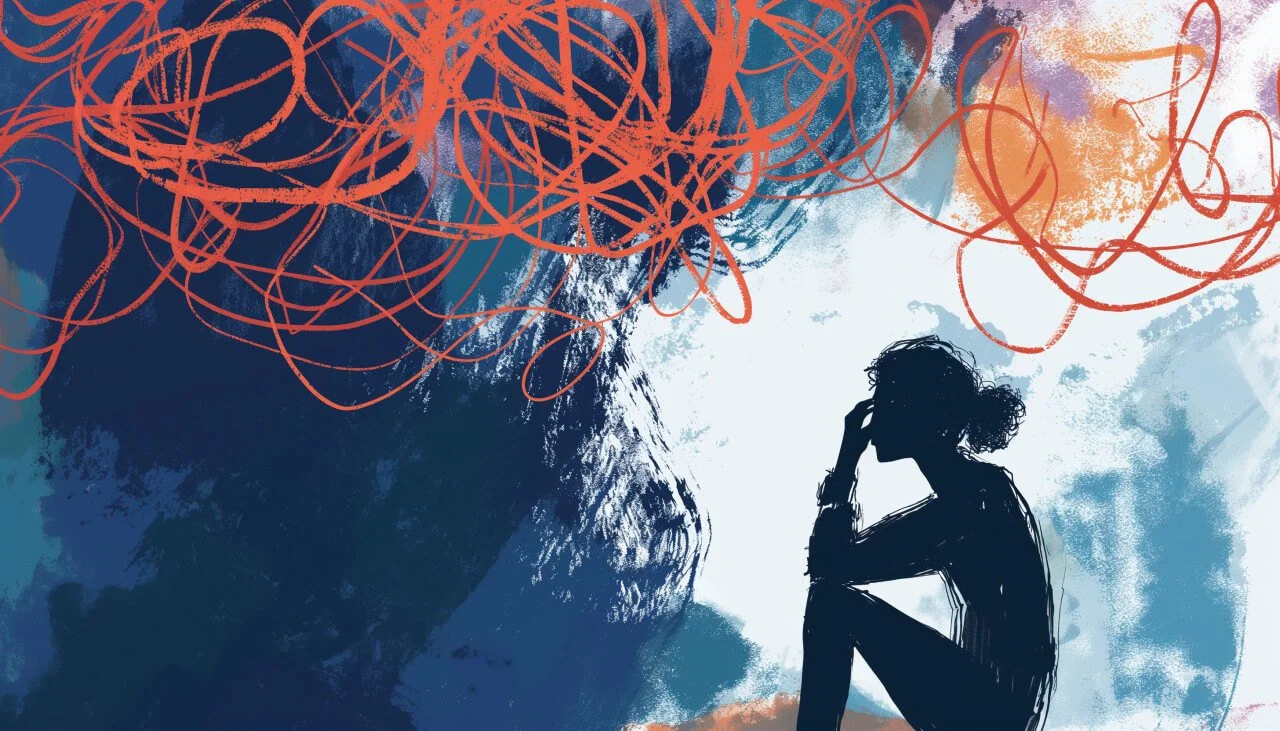
Stress and anxiety are common experiences that affect millions of people daily. Whether it’s pressure from school, work, relationships, or life events, Stress and anxiety can significantly impact emotional health and overall wellbeing. Understanding and managing these feelings is essential for living a balanced and healthy life. This article explores evidence-based stress and anxiety techniques backed by psychology, offering practical strategies to help individuals cope and thrive.
Understanding Stress and Anxiety
Stress is the body’s natural response to challenges or demands. It can be positive in small amounts, helping individuals stay focused and motivated, but chronic stress can lead to physical and mental health problems. Anxiety, on the other hand, is a feeling of worry, nervousness, or unease, often about an uncertain outcome. While stress is typically linked to external pressures, anxiety often originates internally and may persist even when there is no immediate threat.
Common Symptoms of Stress and Anxiety
Recognizing stress and anxiety is the first step toward managing them effectively. Common symptoms include:
- Feeling overwhelmed or restless
- Rapid heartbeat or shallow breathing
- Trouble concentrating or making decisions
- Sleep disturbances or fatigue
- Muscle tension or headaches
- Irritability or mood swings
Understanding these symptoms can help individuals identify when they need to employ stress and anxiety techniques.
Evidence-Based Stress and Anxiety Techniques
Modern psychology provides several proven methods for reducing stress and anxiety. These techniques focus on the mind-body connection, thought patterns, and lifestyle adjustments.
Cognitive-Behavioral Techniques
Cognitive-behavioral therapy (CBT) is a widely studied approach that helps individuals identify and challenge negative thought patterns that contribute to anxiety. Key CBT strategies include:
- Cognitive restructuring: Replace irrational or negative thoughts with balanced, realistic ones. For example, instead of thinking “I will fail this exam,” try “I am prepared, and I will do my best.”
- Behavioral activation: Engage in enjoyable or meaningful activities to reduce stress and improve mood.
CBT techniques are highly effective and can be practiced with the guidance of a therapist or through self-help exercises.
Mindfulness and Meditation
Mindfulness is the practice of paying attention to the present moment without judgment. Meditation techniques can reduce both stress and anxiety by calming the mind and promoting relaxation. Practices include:
- Deep breathing exercises: Slow, deep breaths help regulate the nervous system and lower stress hormones.
- Body scan meditation: Focus on different parts of the body to release tension and increase body awareness.
- Mindful observation: Engage with surroundings fully, noticing sights, sounds, and sensations.
Scientific studies show that consistent mindfulness practice can decrease anxiety levels and enhance emotional resilience.
Physical Activity and Exercise
Regular exercise is a powerful tool for managing stress and anxiety. Physical activity triggers the release of endorphins, the body’s natural “feel-good” chemicals, which improve mood and reduce stress. Recommended approaches include:
- Aerobic exercises such as running, swimming, or cycling
- Yoga, which combines movement with mindfulness and breath control
- Strength training to improve both physical and mental health
Even short daily sessions of 20–30 minutes can significantly improve emotional wellbeing.
Lifestyle Adjustments
Daily habits play a crucial role in managing stress and anxiety. Simple lifestyle changes can have a profound impact:
- Balanced diet: Eating nutritious meals supports brain function and stabilizes mood.
- Adequate sleep: Quality sleep is essential for mental health; aim for 7–9 hours per night.
- Time management: Prioritize tasks, set realistic goals, and take regular breaks to avoid overwhelm.
- Limit stimulants: Reduce caffeine, sugar, and alcohol, which can exacerbate anxiety.
Incorporating these adjustments into daily routines strengthens emotional resilience and reduces stress triggers.
Social Support and Healthy Relationships
Connecting with supportive friends, family, or support groups can buffer the effects of stress and anxiety. Social support provides emotional validation, practical help, and a sense of belonging. Strategies include:
- Talking openly about feelings and concerns
- Seeking guidance from trusted individuals or mentors
- Participating in group therapy or community activities
Strong relationships foster a sense of safety and reduce feelings of isolation, which can amplify anxiety.
Relaxation Techniques
Relaxation strategies help calm the mind and body, reducing the physiological effects of stress. Common methods include:
- Progressive muscle relaxation: Tense and release muscle groups to decrease tension.
- Visualization: Imagine calming and peaceful scenes to shift focus away from stressors.
- Listening to music: Soft, soothing music can lower heart rate and promote relaxation.
Using relaxation techniques consistently can enhance stress resilience and improve overall emotional health.
Journaling and Expressive Writing
Writing down thoughts and feelings is an effective way to process emotions and gain perspective. Journaling helps identify stress triggers, patterns in thinking, and solutions. Steps for effective journaling include:
- Set aside time daily to write freely without judgment
- Focus on emotions, situations, and potential coping strategies
- Reflect on progress and insights periodically
Studies show that expressive writing can reduce symptoms of anxiety and improve emotional wellbeing over time.
Exposure Therapy
Exposure therapy is a psychological technique used to reduce anxiety by gradually facing feared situations or thoughts. By confronting fears in a controlled manner, individuals learn to tolerate distress and reduce avoidance behaviors. This method is particularly effective for specific phobias, social anxiety, and obsessive-compulsive tendencies.
Professional Support
While self-help techniques are valuable, professional support can provide personalized guidance and accountability. Therapists, counselors, and psychologists offer evidence-based interventions tailored to individual needs. Seeking professional help is a sign of strength and an essential step toward managing chronic stress and anxiety effectively.
Real-Life Applications of Stress and Anxiety Techniques
Consider the case of Sarah, a high school student overwhelmed by exams. Using stress and anxiety techniques, she implemented a daily routine of mindfulness meditation, exercise, and journaling. By combining cognitive restructuring and time management strategies, Sarah noticed a significant reduction in her anxiety and improved focus on her studies.
Similarly, James, a working professional, faced chronic workplace stress. He incorporated progressive muscle relaxation, social support, and balanced nutrition into his routine. Over time, his stress levels decreased, he slept better, and he felt more emotionally stable.
These examples demonstrate that practical application of evidence-based strategies can lead to meaningful improvements in everyday life.
Conclusion
Stress and anxiety are natural responses, but they do not have to control your life. By implementing techniques backed by psychology, including cognitive-behavioral strategies, mindfulness, exercise, lifestyle adjustments, social support, and professional guidance, individuals can regain control over their emotional wellbeing. Regular practice, self-awareness, and consistency are key to achieving lasting stress relief and anxiety management.
Investing time and effort into these strategies can enhance resilience, improve mental health, and promote a calmer, healthier life. Remember, small steps taken consistently can lead to profound positive changes. Stay updated and inspired—everything starts at our main site.
FAQs
What are the most effective stress and anxiety techniques?
The most effective techniques include cognitive-behavioral strategies, mindfulness and meditation, regular physical activity, lifestyle adjustments, social support, relaxation exercises, and journaling. Combining multiple strategies often yields the best results.
How long does it take to see results from stress and anxiety techniques?
Results vary depending on consistency and individual differences. Some people notice improvements within a few weeks, while others may require months of regular practice. Persistence and regularity are crucial for long-term benefits.
Can stress and anxiety be completely eliminated?
Stress and anxiety are natural responses and cannot be entirely eliminated. However, using evidence-based techniques can significantly reduce their intensity, frequency, and impact on daily life, enabling individuals to manage them effectively.