
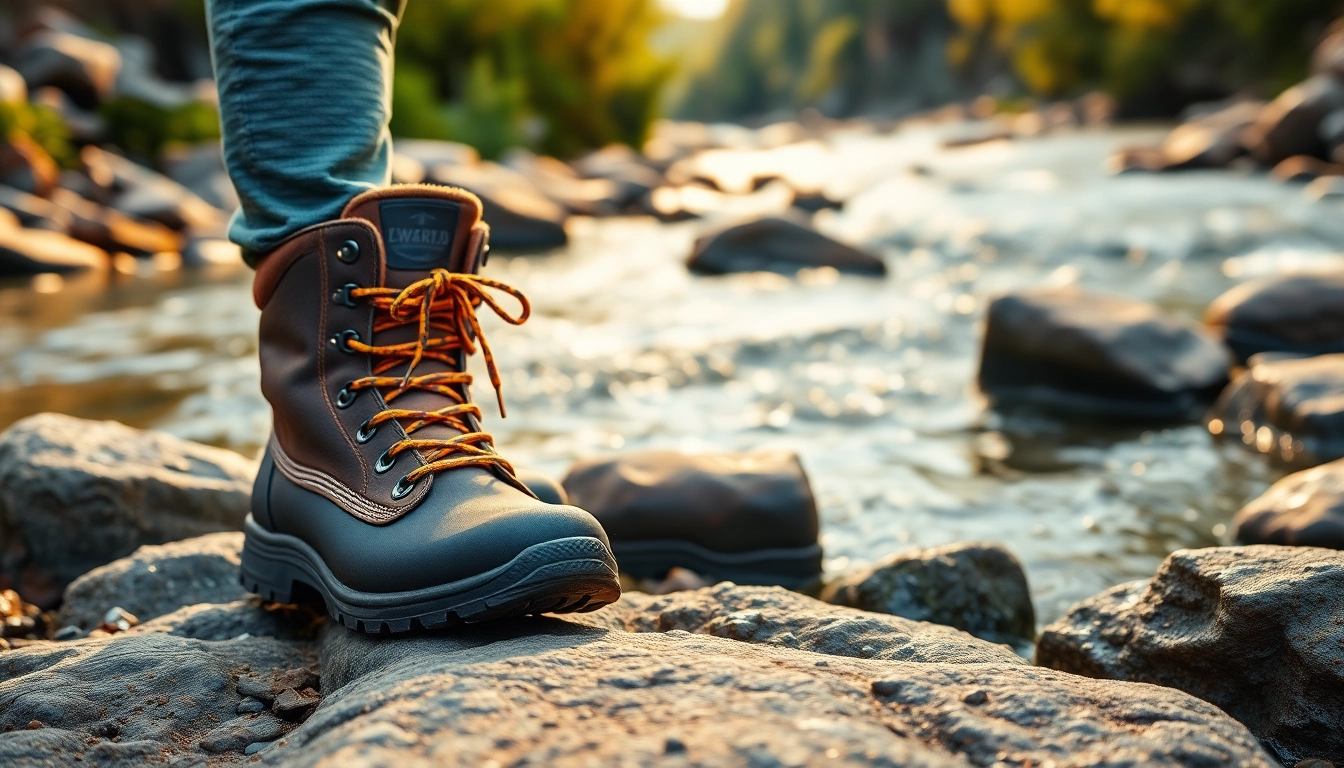
The Importance of Fly Fishing Boots
When venturing into the world of fly fishing, the right gear can make a significant difference between a successful outing and a frustrating day spent battling the elements. One of the most crucial components of this gear is a quality pair of fly fishing boots. These boots not only provide protection but also enhance comfort and performance, enabling anglers to navigate various terrains with ease. Understanding their importance can lead to smarter buying decisions and better fishing experiences.
Why Quality Matters
Quality fly fishing boots are designed to withstand the rigors of outdoor use, incorporating advanced materials and construction techniques that differentiate them from regular footwear. Poor-quality boots can lead to discomfort, injury, and reduced performance on the water. Investing in a good pair of boots ensures durability and reliability, translating to a more enjoyable fishing experience.
Common Features to Look For
When selecting fly fishing boots, certain features stand out as essential. Key aspects to consider include:
- Waterproofing: A waterproof boot keeps your feet dry in constantly wet conditions.
- Breathability: Breathable materials help to regulate temperature and reduce moisture buildup.
- Traction: Boots with superior grip prevent slips and falls on wet, slippery surfaces.
- Support: Proper ankle and arch support contributes significantly to comfort, particularly during long excursions.
How Fly Fishing Boots Enhance Comfort
Extended days on the water can be taxing on your feet. The right pair of fly fishing boots enhances comfort through various design elements, including cushioned insoles, padded collars, and ergonomic construction that conforms to your feet. These features help reduce fatigue, allowing anglers to focus on their casting technique rather than discomfort.
Types of Fly Fishing Boots
Understanding the different types of fly fishing boots is key to selecting the right pair for your needs and preferences. Whether you’re wading deep in rivers or simply walking along the shore, the boots you choose can significantly affect your fishing experience.
Wading Boots vs. Casual Fishing Boots
Wading boots are specifically designed for deep water and rugged conditions, offering reinforced materials and often metal or rubber lugs for extra grip. They are typically bulkier than casual fishing boots, which are better suited for shoreline fishing or light wading. Casual options prioritize comfort and style, with less emphasis on durability and protection.
Waterproof vs. Breathable: Which is Best?
The debate between waterproof and breathable boots is ongoing among anglers. Waterproof boots excel in keeping feet dry during prolonged exposure to water, which is excellent for colder climates or wet conditions. On the contrary, breathable boots offer greater ventilation, making them ideal for warmer temperatures where sweat needs to escape. The best choice often depends on your fishing environment and personal preference.
Choosing the Right Size and Fit
Finding the right size and fit in fly fishing boots is paramount. A poorly fitting boot can lead to blisters, discomfort, and decreased performance. When trying on boots, consider wearing your typical fishing socks to ensure the fit is appropriate. Also, pay attention to how the boot feels while standing, bending, and walking—there should be no excessive movement within the boot.
Key Features of Quality Fly Fishing Boots
To maximize the functionality and enjoyment of your fly fishing boots, it’s essential to understand the key features that distinguish high-quality models.
Materials That Make a Difference
Fly fishing boots typically utilize high-grade materials such as leather, synthetic fabrics, and rubber. Leather offers durability and excellent water resistance, while synthetic materials provide lightweight comfort and breathability. Rubber soles are crucial for traction and stability on slippery surfaces, while EVA foam insoles provide cushioning and support.
Grip and Traction for Safety
Safety is paramount when navigating rocky riverbeds or wet shorelines. Quality fly fishing boots boast sophisticated sole designs featuring specialized tread patterns aimed at providing maximum grip. Look for boots equipped with rubber soles that have varied lug patterns, as this design enhances traction and reduces the risk of slips.
Ankle Support and Stability Features
Boots with reinforced ankle support help to prevent injuries and provide stability over uneven ground. Many models incorporate padded collars and adjustable straps to offer a snug fit, which further enhances stability. Boots designed with these features can transform challenging terrains into more manageable paths, especially when wading through swift currents.
How to Care for Your Fly Fishing Boots
Proper care for your fly fishing boots not only extends their life but also preserves their performance. Understanding maintenance routines tailored to your boots is a key component of responsible ownership.
Cleaning After Each Use
After each fishing trip, it’s essential to clean your boots thoroughly. Rinse off mud, sand, and debris with fresh water to prevent damage to materials. For deeper cleaning, use a soft brush to scrub hard-to-reach areas, particularly the soles and stitching. Allow your boots to dry naturally in a well-ventilated area to avoid mildew buildup.
Storage Tips for Longevity
Storing your fly fishing boots properly is crucial for maintaining their integrity. Keep them in a cool, dry place away from direct sunlight. To help them maintain shape, consider using boot trees or stuffing them with newspaper. Avoid placing them in damp areas, which can lead to mold and degradation.
Repairing Common Wear and Tear
Over time, even the best fly fishing boots may experience wear and tear. Common issues may include worn-out soles, fraying seams, or small leaks. Minor sole wear can often be remedied with a repair adhesive, while more extensive repairs may require a professional cobbler. Regular inspections can help identify these issues before they worsen.
FAQs About Fly Fishing Boots
What materials are best for fly fishing boots?
High-quality leather and synthetic materials provide durability and water resistance. Rubber soles enhance grip, while EVA foam insoles offer additional comfort.
How do I choose the right size for my fly fishing boots?
Always try boots on with your regular fishing socks. Ensure there’s no excessive movement within the boot, and check comfort while standing and walking.
Can I use fly fishing boots for other water activities?
Yes, many fly fishing boots are suitable for other water activities, such as kayaking or paddle boarding, particularly those offering good grip and support.
How should I clean my fly fishing boots after use?
Rinse with fresh water to remove mud and debris. Use a soft brush for deeper cleaning, and allow your boots to dry naturally in a well-ventilated area.
What features improve comfort during long fishing trips?
Cushioned insoles, padded collars, and proper ankle support significantly enhance comfort, helping reduce fatigue during extended fishing outings.