
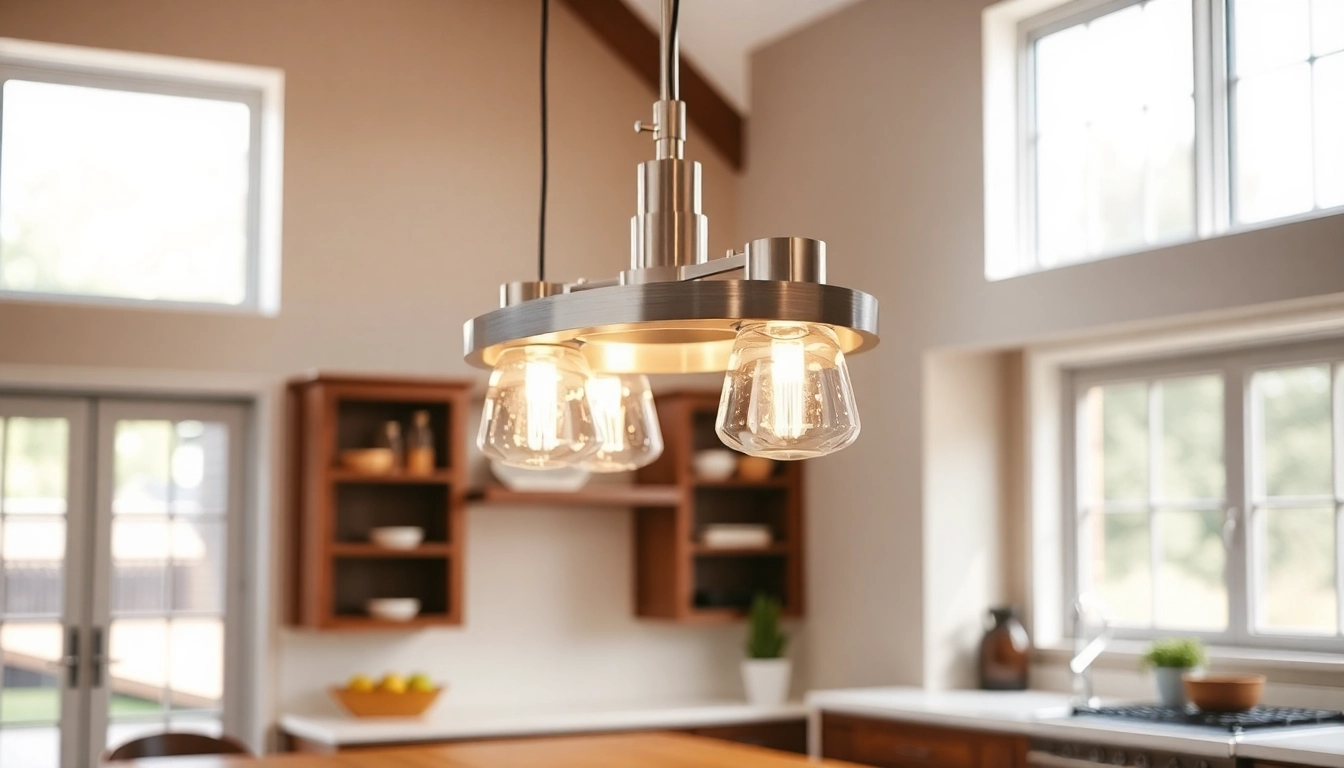
Understanding Island Light Fixture Styles
When it comes to enhancing your kitchen or dining area, the island light fixture stands out as a crucial element. Whether you are undergoing a renovation or simply seeking to refresh your space, understanding the various styles available is essential. This section dives into the myriad of designs, materials, and functional attributes that island light fixtures offer.
Popular Design Trends for Island Light Fixtures
Contemporary home design often embraces a blend of aesthetics and functionality, and island light fixtures have evolved to align with these trends. Here are some popular design trends to consider:
- Industrial Style: Characterized by raw materials like metals and exposed bulbs, industrial-style island fixtures convey a rustic charm.
- Modern Minimalism: This style embodies sleek lines, geometric shapes, and simplicity—perfect for contemporary kitchens.
- Rustic Charm: This design embraces wood accents and vintage finishes, creating a cozy, warm atmosphere.
- Farmhouse Flair: Featuring large, statement pieces made from vintage materials, farmhouse island fixtures bring a nostalgic feel.
- Sophisticated Pendant Designs: Elegant glass or crystal pendants add a touch of glamour and serve as eye-catching focal points.
Materials and Finishes: What Works Best?
The material and finish of your island light fixture not only influence its appearance but also its durability and maintenance requirements. Here are some common materials and finishes:
- Metal: Metals like steel and brass provide durability and are available in various finishes, including matte, glossy, and brushed.
- Glass: Glass fixtures offer versatility in design and can enhance brightness by diffusing light effectively.
- Wood: Crafted from natural wood, these fixtures add warmth and texture to your space, ideal for rustic or farmhouse styles.
- Fabric: Often used in chandeliers or pendant lighting, fabric can soften the light and introduce color.
Choosing the Right Size for Your Space
Size is a crucial factor when selecting an island light fixture. A fixture that is too small may fail to enhance the space, while one that is too large can overpower the room. Consider the following guidelines when selecting the appropriate size:
- Measure the length of your island and select a fixture that is approximately 1/2 to 2/3 of that length.
- Ensure that the fixture hangs at least 30 inches above the countertop to provide ample clearance.
- If using multiple fixtures, maintain equal spacing between them, typically around 30-40 inches apart.
Benefits of Installing an Island Light Fixture
Installing an island light fixture in your kitchen or dining area not only transforms the space aesthetically but also improves functionality. Here are some notable benefits:
Enhancing Aesthetic Appeal in Your Kitchen
The right island light fixture can elevate the overall appearance of your kitchen. Whether you opt for a statement chandelier or a series of coordinating pendants, these fixtures serve as both functional lighting and decorative elements. By selecting a style that complements your existing décor, you create a harmonious atmosphere. Bold fixtures can act as conversation starters, while understated designs can provide subtle elegance.
Boosting Functionality and Brightness
In addition to aesthetic appeal, island light fixtures improve task lighting for cooking and dining activities. Well-directed lighting enhances visibility, making meal preparation and serving easy and comfortable. Dimming features can also allow you to adjust the light intensity according to the occasion, promoting a cozy ambiance during intimate dinners or bright settings for bustling brunches.
Creating a Focal Point in Open Spaces
Especially in open-concept designs, an island light fixture can create a focal point that visually anchors the space. This is especially important in kitchens and dining areas, where you want to delineate the functional area from other parts of the home. A striking fixture can guide the eye and add an element of charm that makes your space both inviting and engaging.
Installation Tips for Your Island Light Fixture
Proper installation of your island light fixture is key to maximizing its benefits while ensuring safety. Here are some essential tips for a successful installation:
Tools and Materials Needed
Before beginning your installation, gather the following tools and materials:
- Drill
- Screwdriver
- Wire connectors
- Measuring tape
- Stud finder (if installing directly into a joist)
- Step ladder
Step-by-Step Installation Guide
Follow these steps to install your island light fixture:
- Turn off the electricity supply to the area where you’ll be working.
- Using a stud finder, locate the ceiling joists and mark their positions.
- Measure the desired height of the fixture, ensuring it is at least 30 inches above the countertop.
- With a drill, create a hole for the mounting bracket and secure it to a ceiling joist.
- Connect the electrical wires according to the fixture instructions and secure with wire connectors.
- Attach the fixture to the mounting bracket and secure any covering or shades.
- Once everything is connected, restore power and test the fixture to ensure it operates correctly.
Common Mistakes to Avoid
To ensure a flawless installation, avoid these common pitfalls:
- Not turning off the power before starting the installation.
- Ignoring weight limitations that could lead to fixture sagging.
- Underestimating the importance of the correct height, leading to poor illumination.
- Failing to properly secure all electrical connections, which can cause hazards.
Maintenance and Care for Island Light Fixtures
Once your island light fixture is installed, regular maintenance will keep it looking pristine and functioning effectively. Here’s how to care for your fixture:
Regular Cleaning Practices
Dust and grime can dull the beauty of your island light fixture. Follow these cleaning tips:
- Use a soft, damp cloth for regular dusting; avoid abrasive materials that could scratch finishes.
- If applicable, remove and clean glass shades periodically with glass cleaner.
- Inspect for any loose screws or connections as part of your cleaning routine.
Addressing Common Issues
Sometimes, issues may arise with your lighting fixture. Look out for these common problems:
- Flickering Lights: This often indicates a loose connection or issues with the bulb. Check connections and replace the bulb if necessary.
- Bulb Burnout: Consider using LED bulbs for longer lifespans and better energy efficiency.
- Uneven Lighting: Adjust the fixture’s positioning or change the wattage of your bulbs to achieve even brightness.
When to Seek Professional Help
While many maintenance issues can be handled independently, there are times when seeking professional help is advisable:
- If you encounter persistent electrical issues that you are unsure how to fix.
- When installing fixtures that require intricate electrical work.
- If you notice severe damage to your fixture or the wiring.
FAQs About Island Light Fixture Selection
What type of island light fixture works best in smaller spaces?
Pendant lights or small chandeliers are ideal for smaller spaces as they offer style without overwhelming the area, providing both functionality and aesthetic value.
Are there energy-efficient options for island light fixtures?
Yes, LED fixtures are energy-efficient, last longer, and use significantly less electricity than traditional incandescent bulbs, making them a smart choice.
How do I determine the ideal height for my island light fixture?
The recommended height is at least 30 inches above the countertop to ensure adequate lighting while preventing obstruction during meal prep or dining.
Can I mix different styles of light fixtures?
Absolutely! Mixing styles can create a unique and eclectic look. However, ensure there’s some unified element to tie them together, like color or material.
What colors work well with various island light fixtures?
Neutral tones work with most fixtures, but bold colors can complement metallics or wood finishes, enhancing the overall aesthetic of your kitchen or dining area.