
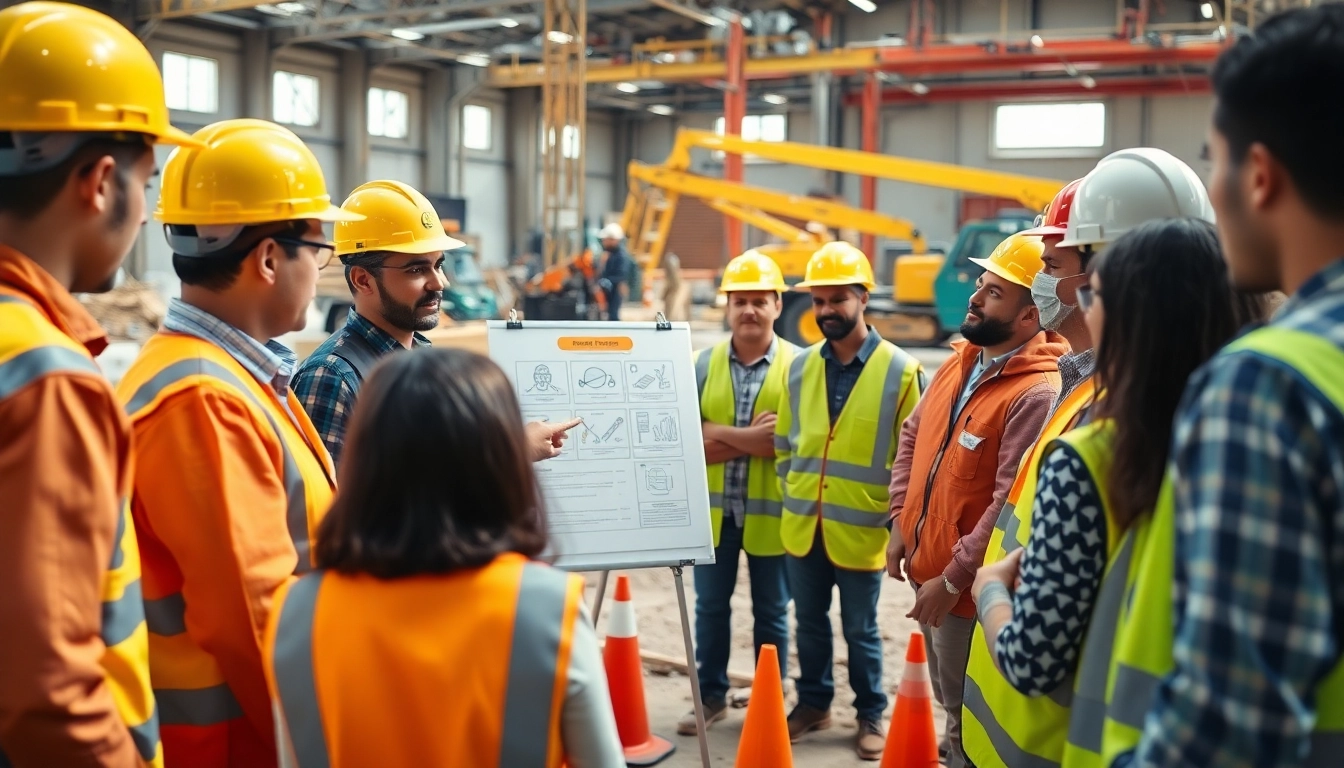
Understanding the Importance of Construction Safety Programs
Defining Construction Safety Programs
Construction safety programs are structured frameworks designed to enhance safety on construction sites, aimed at preventing accidents and ensuring compliance with relevant regulations. These programs encompass various strategies, policies, and practices that are put into place to protect workers from potential hazards associated with construction work. Effective construction safety programs focus on risk assessment, training, and compliance with legal obligations, ultimately striving to create a safer work environment.
Benefits of Implementing Safety Programs
Implementing robust construction safety programs yields numerous benefits for both employees and employers. On the frontline, workers benefit from reduced accident rates, which directly correlates with improved health and morale. A safer environment reduces the likelihood of serious injuries or fatalities, fostering a culture of well-being and trust. From an employer’s standpoint, a commitment to safety can lead to lower insurance premiums, reduced liability costs, and enhanced productivity, as workers are less anxious and more focused when they feel safe.
Legal and Regulatory Frameworks
Construction safety programs must navigate a complex landscape of legal and regulatory frameworks that vary by region. Major governing bodies such as the Occupational Safety and Health Administration (OSHA) in the United States provide guidelines and regulations aimed at ensuring safe working conditions. Companies must remain vigilant and compliant with industry standards, as failure to meet these regulations can lead to severe penalties, project delays, and damage to reputation. Therefore, understanding these legal frameworks is critical for both compliance and the effective implementation of safety programs.
Key Components of Effective Construction Safety Programs
Training and Education Methods
Training and education are cornerstones of effective construction safety programs. Comprehensive training not only equips workers with necessary skills but also fosters an understanding of potential hazards and the importance of safety practices. Training methods can include hands-on demonstrations, e-learning modules, and regular workshops. Emphasis should be placed on covering specific topics such as fall protection, equipment safety, and personal protective equipment (PPE) usage. Regular refresher courses help keep safety awareness high among workers and address any new risks introduced to the site.
Hazard Identification and Risk Assessment
Proactive hazard identification is essential for successful safety programs. Effective risk assessment involves systematically identifying potential hazards on site and evaluating the associated risks. This process includes regular inspections, job hazard analyses, and employee feedback to ensure all risks are accounted for. Implementing a robust system for reporting hazards empowers workers and encourages a participatory approach to safety, allowing for dynamic adjustments to safety practices as new hazards arise.
Emergency Response Plans
Every construction project must have a clear and actionable emergency response plan. This plan outlines procedures for different emergency situations such as fires, medical emergencies, or natural disasters. Emergency drills should be conducted regularly to ensure all workers are familiar with the processes and can act swiftly in a crisis. Clear communication channels should be established, detailing who to contact and what steps to take in an emergency. A well-prepared workforce protects lives and minimizes potential damage to the project.
Implementing Construction Safety Programs
Creating a Safety Culture
Creating a safety culture within a construction project is pivotal for the success of safety programs. This involves fostering an environment where safety is considered a collective responsibility, rather than a set of rules imposed by management. Leadership should model safe behaviors and actively promote safety initiatives. Engaging workers in discussions about safety practices encourages ownership and accountability, and recognizing safe work practices boosts morale and reinforces the importance of safety.
Roles and Responsibilities of Workers and Management
Clear delineation of roles and responsibilities is vital for effective safety programs. Management is responsible for establishing safety policies, providing resources, and ensuring compliance with regulations. Workers must engage in safe practices and participate actively in safety training. A collaborative approach where both management and workers communicate openly about safety concerns enhances the program’s effectiveness. Regular meetings should be held to discuss safety topics and address potential issues as a team.
Monitoring and Evaluation Strategies
Monitoring the effectiveness of safety programs is crucial for continuous improvement. This involves tracking incident rates, conducting safety audits, and using performance metrics to evaluate compliance with safety standards. Tools like safety data analytics can help identify trends and areas for improvement. Regular evaluations should lead to actionable insights, allowing organizations to adapt their safety programs based on data-driven evidence and feedback from workers.
Best Practices in Construction Safety Programs
Regular Safety Audits and Assessments
Safety audits play a critical role in identifying areas in need of improvement and ensuring compliance with safety standards. Regular assessments should include comprehensive inspections of equipment, site conditions, and safety practices. Involvement from various team members can provide fresh perspectives on safety issues, which may be overlooked during routine assessments. The audit process should foster transparency and support a culture of continuous safety improvement.
Learning from Past Incidents
Analyzing past incidents, regardless of severity, provides valuable insights that can prevent future occurrences. Implementing a system to review incidents and near misses is vital for understanding the underlying causes and improving safety measures. Constructive analysis should focus on both systematic failures and human errors, allowing for balanced improvements across various domains. Sharing lessons learned with the whole team reinforces the importance of vigilance and collective responsibility toward safety.
Continuous Improvement and Adaptation
Construction safety programs should not remain stagnant. Continuous improvement and adaptation to new technologies, methods, and regulations are necessary to enhance safety outcomes. Regularly updated training, agile response to new risks, and the incorporation of innovative safety solutions are all part of a forward-looking approach. Engaging employees in the continuous improvement process fosters resilience and adaptability, ultimately leading to a safer worksite.
FAQs on Construction Safety Programs
What are construction safety programs?
Construction safety programs are structured initiatives designed to promote safe practices and regulations on construction sites.
Why are safety programs essential?
They help prevent accidents, protect workers, and ensure compliance with legal safety standards, enhancing overall site safety.
What elements are included in these programs?
Key elements include training, hazard assessments, and emergency response plans to address potential risks effectively.
How often should safety training be conducted?
Training should be ongoing, with refreshers at least annually, or whenever a new hazard is introduced or a significant incident occurs.
What is the role of management in safety programs?
Management must lead by example, ensure proper training, and foster a culture of safety across all levels of the organization.