
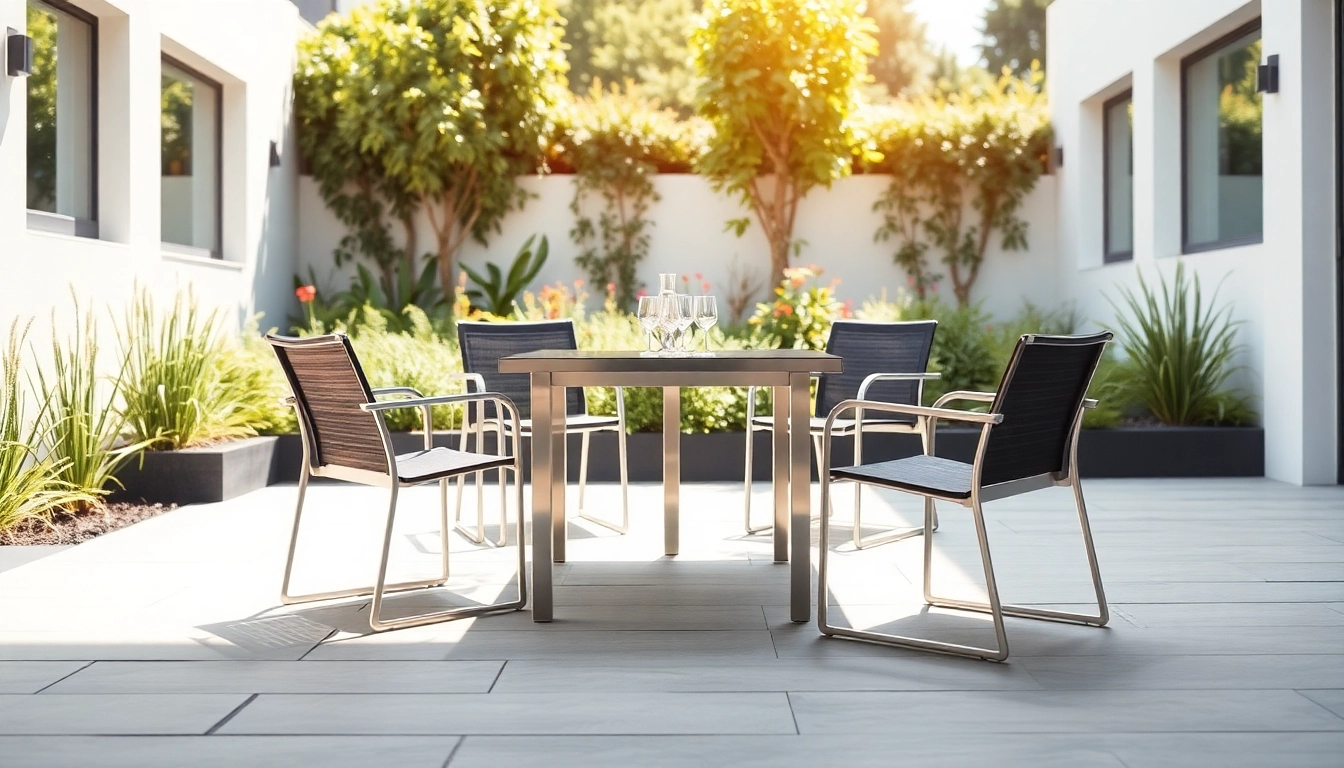
Introduction to Stainless Steel Furniture
In today’s design landscape, Stainless steel furniture has emerged as a favored choice among homeowners and designers alike. Its sleek, modern aesthetic is complemented by a plethora of functional advantages that underscore its appeal. With durability at its core, stainless steel furniture stands strong against rust, corrosion, and wear, making it an investment worth considering for any space. From residential areas to commercial establishments, its versatility is unmatched, offering a refined finish that seamlessly blends with various interior styles. This article delves into the benefits, types, maintenance, and comparisons of stainless steel furniture, providing valuable insights along the way.
Benefits of Choosing Stainless Steel Furniture
The choice of material is critical when it comes to furniture, and stainless steel offers a unique set of benefits:
- Durability: Stainless steel is highly resistant to damage from daily wear and tear, ensuring longevity in any environment.
- Resistant to Corrosion: Unlike wood or iron, stainless steel does not rust, making it suitable for both indoor and outdoor usage, especially in humid conditions.
- Easy to Clean: Surfaces can be quickly wiped down, and the non-porous nature of stainless steel prevents the absorption of stains and odors.
- Modern Aesthetic: Its sleek, polished look adds a contemporary touch to any decor, serving as a stylish focal point within spaces.
- Eco-Friendly: Stainless steel is 100% recyclable, making it a sustainable choice in a market increasingly aware of environmental issues.
Understanding the Versatility of Stainless Steel
Stainless steel’s inherent versatility complements various design aesthetics, from minimalist Scandinavian to industrial chic. It can be shaped into a multitude of forms, textures, and finishes, allowing it to fit seamlessly into different environments. For example, brushed finishes create a softer look suitable for sleek interiors, while polished options offer a striking, reflective surface ideal for more dramatic decor. This adaptability, coupled with its myriad applications across both residential and commercial settings, solidifies its status as a quintessential material for furniture design.
Applications in Different Settings
Stainless steel furniture is not restricted to modern homes; its utility shines across various settings:
- Residential Spaces: Dining tables, chairs, and decorative pieces enhance the home environment, providing elegance and durability.
- Commercial Use: Restaurants and offices often opt for stainless steel due to its cleanliness and resistance to damage from high traffic.
- Outdoor Environments: Coated stainless steel furniture can withstand the elements, making it a popular choice for gardens and patios.
- Industrial Settings: In warehouses and factories, stainless steel tables and storage units offer functionality and durability critical for operational needs.
Types of Stainless Steel Furniture
Indoor vs. Outdoor Stainless Steel Furniture
Indoor stainless steel furniture typically features a sleek, polished finish designed to complement contemporary interiors. It includes tables, chairs, and accents that focus on aesthetics while providing functionality. In contrast, outdoor stainless steel furniture is often manufactured with higher resistance treatments, ensuring it can handle varied weather conditions without corroding. Features like UV-resistant finishes and thicker materials are common in outdoor collections, aimed at ensuring longevity while remaining stylish.
Popular Styles and Designs
The styles of stainless steel furniture are diverse, reflecting various tastes and trends. Popular design themes include:
- Minimalist: Clean lines and simple forms that emphasize the material’s beauty without unnecessary embellishments.
- Industrial: Embraces raw textures with a rugged finish, often combined with wood or other materials for contrast.
- Modern Art Deco: Incorporates geometric shapes and bold colors, providing an upscale look that stands out in any setting.
- Contemporary: Focuses on innovative shapes and configurations, often experimenting with contrasting materials.
Custom Options Available
The potential for customization in stainless steel furniture is abundant. Manufacturers often offer bespoke solutions, where clients can specify dimensions, finishes, and design elements tailored to their individual preferences. This level of customization ensures that each piece not only fits the desired space perfectly but also aligns with the overall vision of the environment, making it a unique addition to any setting.
Care and Maintenance Tips
Cleaning Stainless Steel Furniture
Regular cleaning is essential to maintain the aesthetic appeal of stainless steel furniture. Use a soft cloth and warm, soapy water for routine cleaning. For stubborn stains, a mixture of baking soda and water can work wonders. Avoid harsh chemicals, as these can damage the finish. A microfiber cloth is ideal for polishing, helping to restore shine without scratching the surface.
Preventing Rust and Corrosion
While stainless steel is highly resistant to rust, it is not completely impervious. To avoid corrosion, ensure that surfaces stay dry and are cleaned of water or salt residue. Applying a thin layer of protective oil can further guard against moisture exposure. In harsher climates, consider using coated options designed specifically for outdoor use.
Best Practices for Longevity
To extend the life of your stainless steel furniture, avoid placing it in direct contact with heat sources, which can discolor the surface. Moreover, rotating furniture placements can minimize wear and tear on specific areas. Store seasonal furniture indoors to protect it from extreme weather conditions, and when using outdoors, select furniture specifically rated for all-weather durability.
Comparing Stainless Steel with Other Materials
Advantages Over Wooden Furniture
While wooden furniture may offer warmth and elegance, it can fall prey to warping, scratching, and pest issues. In contrast, stainless steel furniture offers a higher resilience to environmental factors. It is also less prone to staining and does not require the frequent maintenance that wood demands, making it an ideal choice for busy households.
Cost Effectiveness in the Long Run
The initial investment in stainless steel furniture may be higher, but its durability and low maintenance make it cost-effective over time. Unlike wood or plastic, which may need replacement or significant repair, stainless steel can last for decades with proper care, saving money in the long run.
Environmental Benefits of Stainless Steel
Stainless steel is one of the most sustainable materials available. Its longevity means fewer resources are consumed in replacement, and being totally recyclable makes it an environmentally friendly choice. Many manufacturers use recycled stainless steel in their products, further reducing the carbon footprint associated with furniture production.
Frequently Asked Questions about Stainless Steel Furniture
What is the best way to clean stainless steel furniture?
The best method involves using warm, soapy water and a soft cloth. Avoid abrasive cleaners that may scratch the surface.
How can I prevent scratches on stainless steel furniture?
Use coasters for glasses and avoid using sharp objects on surfaces. Regularly polish with microfiber cloths to preserve the finish.
Is stainless steel furniture suitable for outdoor use?
Yes, but ensure you select outdoor-rated pieces designed to withstand extreme weather conditions and prevent corrosion.
What styles of stainless steel furniture are available?
Styles include minimalist, industrial, modern art deco, and contemporary designs, each showcasing the material’s versatility.
How does stainless steel furniture compare to wood in durability?
Stainless steel vastly outperforms wood in durability, as it resists warping, staining, and pests while requiring less maintenance.