
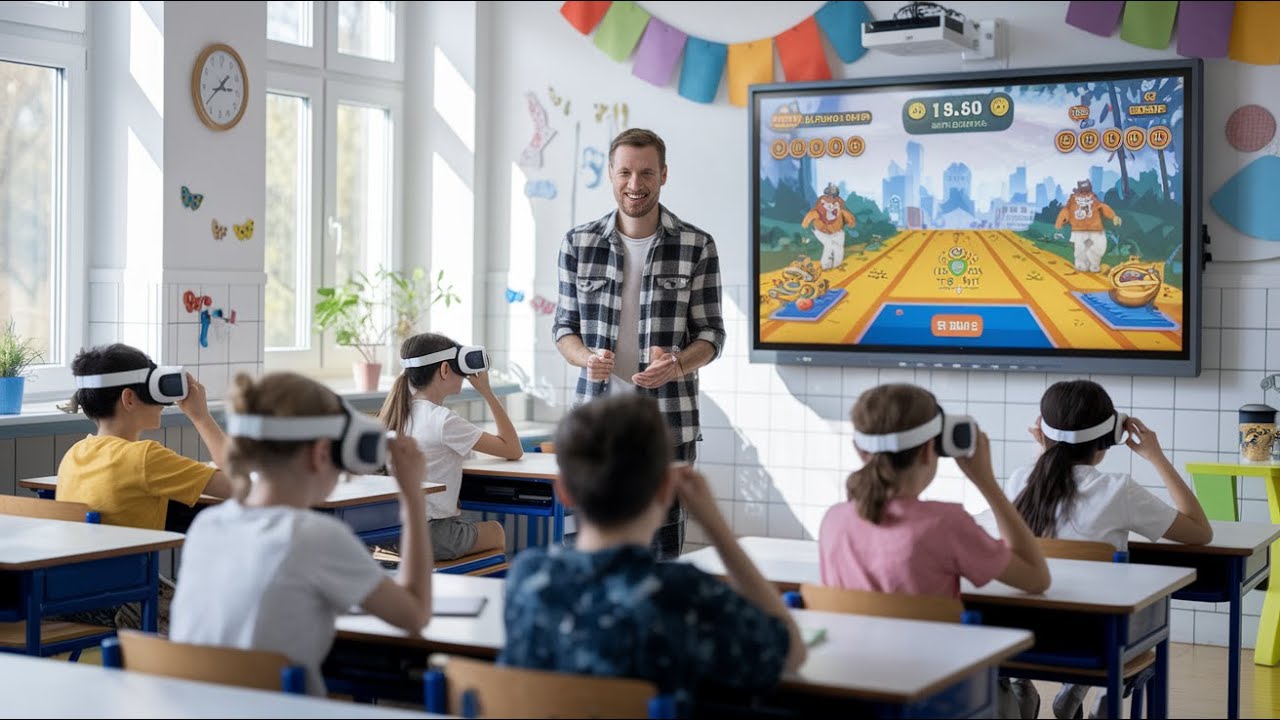
Motivation is a critical component of successful learning. Students who are motivated are more likely to engage actively, persist through challenges, and achieve higher academic outcomes. Traditional educational methods often struggle to maintain motivation, particularly in digital or large classroom environments. Gamification in education has emerged as a transformative approach, using game mechanics to enhance engagement, encourage participation, and sustain student motivation across diverse learning contexts.
Understanding Student Motivation
Student motivation encompasses both intrinsic and extrinsic factors that drive learners to participate in educational activities. Intrinsic motivation stems from internal desires to learn, explore, and master new skills, while extrinsic motivation relies on external rewards, recognition, and reinforcement. Gamification in education effectively addresses both types by providing meaningful challenges, feedback, and rewards that foster engagement and persistence.
Intrinsic Motivation and Engagement
Intrinsic motivation is essential for deep learning and long-term retention. Gamification in education encourages intrinsic motivation by creating tasks that are enjoyable, relevant, and aligned with students’ personal interests. Interactive challenges, storytelling elements, and immersive experiences make learning meaningful and rewarding, promoting active participation and curiosity.
Extrinsic Motivation and Rewards
Extrinsic motivators, such as points, badges, and leaderboards, provide recognition and reinforcement for accomplishments. Gamification in education leverages these rewards to celebrate achievement, reinforce desired behaviors, and sustain engagement, while carefully balancing them with opportunities for intrinsic motivation to flourish.
How Gamification Enhances Motivation
Gamification in education uses a variety of strategies to boost student motivation and maintain consistent engagement.
Clear Goals and Progression
Gamified learning experiences establish clear objectives and progression systems. Levels, milestones, and quests give students a sense of purpose and direction, motivating them to complete tasks and advance through the learning experience.
Immediate Feedback
Timely feedback reinforces learning and keeps students motivated. Gamification in education provides instant responses to actions, helping learners understand successes and errors, adjust strategies, and maintain momentum.
Challenges and Achievements
Challenges, missions, and achievements stimulate motivation by providing attainable yet engaging objectives. Gamification in education encourages learners to push their limits, practice critical thinking, and apply knowledge, creating a sense of accomplishment and mastery.
Social Interaction and Collaboration
Collaborative elements, such as team challenges, peer competitions, and shared quests, enhance social motivation. Gamification in education fosters communication, cooperation, and friendly competition, creating a supportive environment that motivates students to participate actively.
Personalization and Adaptive Learning
Adaptive gamification tailors content and challenges to individual student abilities, ensuring that tasks remain appropriately challenging. Personalized learning experiences increase engagement, reduce frustration, and enhance intrinsic motivation, encouraging students to stay committed to their goals.
Evidence Supporting Gamification’s Impact on Motivation
Numerous studies have demonstrated that gamification in education positively affects student motivation. Students in gamified learning environments consistently show higher participation rates, increased task completion, and greater persistence in overcoming challenges. Gamification motivates learners by making tasks interactive, rewarding, and meaningful, supporting both academic success and personal growth.
STEM and Language Learning Applications
In STEM education, gamified simulations and problem-solving challenges encourage persistence, exploration, and experimentation. In language learning, gamified apps use levels, streaks, and achievements to motivate practice, repetition, and mastery. Across disciplines, gamification in education has proven effective in sustaining engagement and enhancing learning outcomes.
Higher Education and Online Learning
Gamification is particularly impactful in higher education and online courses, where maintaining motivation can be challenging. Interactive quizzes, adaptive challenges, and collaborative projects keep students engaged, reduce dropout rates, and promote active learning.
Benefits of Increased Motivation Through Gamification
Enhancing student motivation via gamification provides multiple advantages:
Greater Engagement
Motivated students participate actively in learning activities, improving attention, effort, and focus throughout the educational process.
Improved Learning Outcomes
Sustained motivation encourages consistent practice, repetition, and application of knowledge, leading to better comprehension, retention, and skill development.
Development of Positive Learning Habits
Gamification fosters persistence, resilience, and self-directed learning, instilling habits that support lifelong education and personal growth.
Boosted Confidence and Self-Efficacy
Recognition through points, badges, and achievements reinforces students’ belief in their abilities, increasing confidence and encouraging continued effort.
Challenges and Considerations
While gamification in education effectively enhances motivation, careful design is essential. Overreliance on extrinsic rewards can undermine intrinsic motivation, excessive competition may discourage some learners, and poorly structured challenges can reduce engagement. Educators must balance rewards, maintain inclusivity, and ensure alignment with learning objectives to maximize effectiveness.
Future Directions
Emerging technologies such as AI-driven adaptive systems, virtual and augmented reality, and immersive simulations will continue to enhance gamification in education. These innovations will provide more personalized, engaging, and motivational learning experiences, ensuring that students remain committed, focused, and enthusiastic about learning in both digital and traditional environments.
Conclusion
Gamification in education has a profound impact on student motivation by combining meaningful challenges, rewards, feedback, and social interaction. By fostering intrinsic and extrinsic motivation, gamified learning experiences increase engagement, persistence, and achievement. Thoughtful implementation ensures that gamification not only encourages participation but also supports comprehension, retention, and the development of positive learning habits, transforming education into an interactive and motivating experience.