
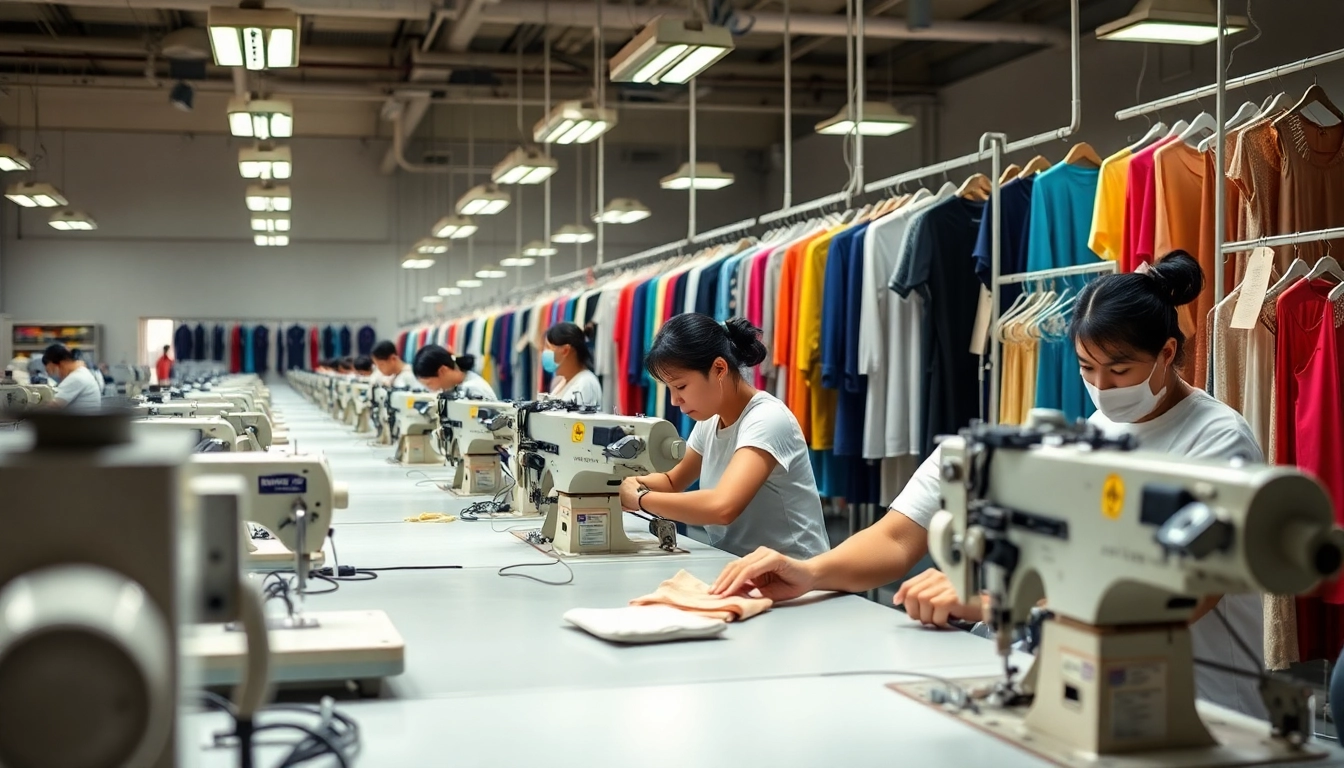
Understanding Apparel Manufacturers in China
Overview of the Apparel Manufacturing Industry
The apparel manufacturing industry in China is a colossal sector that has garnered significant global attention. With decades of experience and expertise, China stands as one of the top players in the global textile and garment industry. The country’s manufacturing capabilities cover a diverse range of products, including casual wear, professional attire, sportswear, and more. A combination of skilled labor, sophisticated technology, and robust supply chain networks enables Chinese manufacturers to produce high-quality apparel at competitive prices.
Benefits of Sourcing in China
Sourcing apparel from China offers numerous advantages for businesses worldwide. Firstly, the Apparel manufacturers in China provide cost-effective production solutions, thanks to lower labor costs and access to raw materials. This competitive pricing makes it easier for companies to maximize their margins while still delivering quality products to consumers. Secondly, China hosts a vast network of suppliers and factories, allowing brands to find specialized manufacturers for niche markets. Thirdly, the country continually invests in technological advancements, ensuring that processes are efficient and innovative.
Challenges Faced by Apparel Manufacturers in China
Despite the benefits, several challenges accompany apparel manufacturing in China. One significant concern is the fluctuation of labor costs, influenced by economic policies and the demand for skilled workers. Furthermore, navigating local regulations regarding labor practices and environmental standards can be complex. Additionally, issues such as intellectual property protection and cultural differences in business practices may complicate sourcing efforts. Companies must conduct thorough research and due diligence to mitigate these challenges effectively.
Choosing the Right Apparel Manufacturer
Evaluating Manufacturer Credentials
Choosing the right apparel manufacturer is crucial to a successful sourcing strategy. Evaluate potential manufacturers by examining their credentials, such as business licenses, certifications, and industry experience. Look for ISO certifications or compliance with international standards, as these indicate a commitment to quality and ethical practices. Additionally, review references or case studies from previous clients to assess their reputation and reliability.
Key Questions to Ask Potential Manufacturers
When engaging with potential manufacturers, asking the right questions can provide deeper insights into their capabilities. Inquire about their production capacity, lead times, and minimum order quantities. Understanding their flexibility in accommodating changes or custom requests is vital. Additionally, discuss their quality assurance processes and how they handle defects or returns. This dialogue helps in forming a transparent partnership.
Understanding Manufacturing Terms and Conditions
Before finalizing any agreements, ensure you understand the manufacturing terms and conditions. Clarify payment terms, delivery timelines, and responsibilities of each party. It’s beneficial to have a detailed contract that outlines product specifications and quality expectations. This level of specificity helps to prevent misunderstandings and ensures that both parties are aligned throughout the production process.
Quality Control Processes for Apparel
Importance of Quality Assurance in Manufacturing
Quality assurance (QA) is integral to apparel manufacturing, as it directly impacts brand reputation and customer satisfaction. Consistent quality control processes help to identify defects early in production and prevent poor-quality products from reaching consumers. A well-defined QA strategy not only increases efficiency but also fosters customer loyalty and repeat business.
Common Quality Control Techniques
Apparel manufacturers in China employ various quality control techniques to ensure product excellence. Common methods include in-line inspection during the production process and final random inspections before shipping. Additionally, many manufacturers utilize statistical process control (SPC) methods to monitor production metrics and identify areas for improvement proactively. These techniques are critical for maintaining consistent quality levels across large production runs.
Testing and Compliance Standards
Beyond internal quality controls, understanding testing and compliance standards is essential when sourcing apparel. Different markets have specific requirements for safety and quality, such as chemical compliance tests for fabric dyes or fire safety standards for children’s clothing. Collaborating with manufacturers who understand these regulations and can ensure compliance simplifies market entry and protects your brand from liability.
Logistics and Supply Chain Management
Shipping Considerations for Apparel in China
Effective logistics play a crucial role in the apparel manufacturing process. When shipping products from China, consider the mode of transport – air freight is faster but more expensive, while sea freight is cost-effective but takes longer. Additionally, understanding customs regulations and duties is vital to streamline the shipping process. Working with a reputable logistics provider can help navigate these complexities effectively.
Overcoming Supply Chain Challenges
Supply chain disruptions can significantly affect manufacturing timelines and product availability. To overcome these challenges, establish strong relationships with multiple suppliers and create contingency plans for sourcing raw materials. Diversifying your supplier base can minimize risks associated with single-source suppliers and enhance supply chain resilience during unforeseen events.
Optimizing Your Supply Chain for Efficiency
Optimizing your supply chain in the apparel manufacturing sector requires a comprehensive approach. Implementing just-in-time (JIT) inventory systems can reduce holding costs and enhance turnover rates. Additionally, utilizing technology for inventory management can provide real-time data, enabling better forecasting and demand planning. Continuous evaluation of your supply chain processes helps identify bottlenecks and areas for improvement, ensuring smooth operations.
Future Trends in Apparel Manufacturing
Sustainability Practices Among Manufacturers
The apparel industry is progressively leaning towards sustainability, with consumers demanding greener practices. Many manufacturers in China are adopting sustainable materials and processes, including organic cotton and water-saving dye technologies. Implementing circular economy principles, such as recycling textile waste, is also gaining traction. Embracing sustainability not only meets consumer expectations but can also enhance brand value and reduce costs in the long term.
Technological Innovations in Apparel Production
Technological advancements are reshaping the apparel manufacturing landscape. Innovations like automation, artificial intelligence, and 3D printing are enhancing production efficiency and design versatility. For example, AI-powered data analytics can provide insights into consumer trends, while 3D printing allows for prototype creation without significant resource investment. Embracing these technologies will provide a competitive edge in an increasingly digital marketplace.
Consumer Trends Influencing Manufacturing
Consumer preferences are evolving, influencing manufacturing strategies significantly. The demand for personalization has surged, pushing manufacturers to adopt more agile production methods that can accommodate custom orders. Moreover, the focus on ethical manufacturing and transparency has encouraged brands to adopt more responsible practices and communicate these efforts effectively to consumers. Staying attuned to these trends is essential for manufacturers to remain relevant in the market.
Frequently Asked Questions
What should I consider when choosing an apparel manufacturer in China?
Evaluate their credentials, production capabilities, quality control processes, and reputation. Ask key questions about lead times, minimum orders, and compliance with regulations.
How do I ensure quality control in my manufacturing process?
Implement in-line inspections, final random inspections, and statistical process control. Collaborate with quality assurance experts to establish robust QA protocols.
What shipping options are available for apparel manufactured in China?
Shipping options include air freight for speed and sea freight for cost savings. Choose based on your budget, delivery timelines, and product nature.
How can I address supply chain disruptions when manufacturing apparel in China?
Establish relationships with multiple suppliers, diversify your sourcing strategy, and create contingency plans to handle disruptions effectively.
What are the emerging trends in apparel manufacturing?
Trends include sustainability practices, technological innovations such as AI automation, and consumer preferences for personalized and ethical products.