
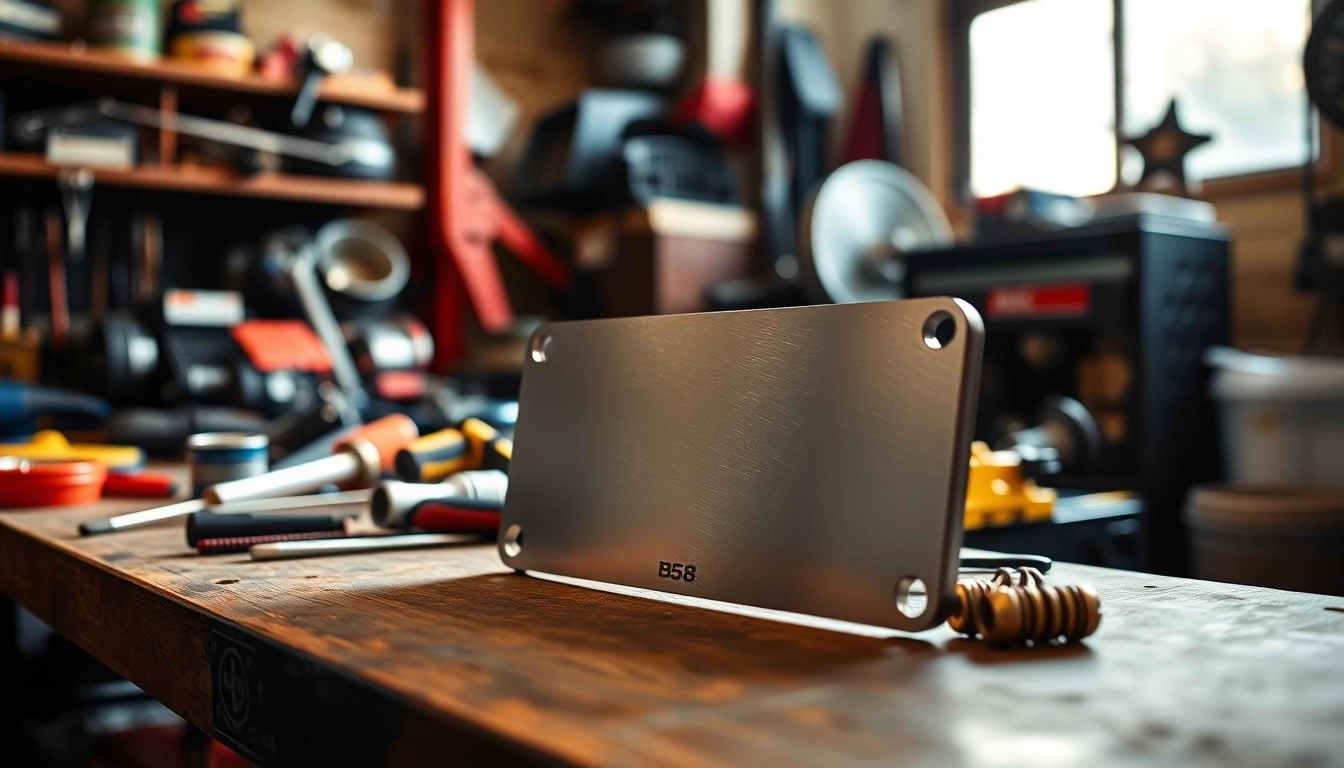
Understanding the B58 Intake Block-Off Plate
What is a B58 Intake Block-Off Plate?
The B58 Intake Block-Off Plate is a critical component for BMW’s renowned B58 engine. Designed primarily for performance enthusiasts, this plate is utilized to close off openings in the intake manifold. These openings are often associated with emissions systems, including the Positive Crankcase Ventilation (PCV) or the Crankcase Ventilation (CCV) systems. By using a block-off plate, engine builders and tuners can simplify the intake system, allowing for better airflow and reducing unwanted pressures within the engine. The B58 Intake Block-Off Plate achieves this by sealing off ports that are no longer needed, promoting optimized performance and efficiency in modified or racing applications.
Key Benefits of Using a B58 Intake Block-Off Plate
Utilizing a B58 Intake Block-Off Plate comes with a multitude of advantages:
- Improved Airflow: By sealing unnecessary ports, the air entering the engine is less turbulent, which can enhance power output and throttle response.
- Reducing Carbon Buildup: Removing the factory vents can help prevent oil and carbon deposits from contaminating the intake system.
- Simplified Engine Tuning: For those looking to enhance performance, a less complex intake system facilitates easier tuning and modifications.
- Emissions Management: In applications such as racing, removing elements of the emissions system can comply with race regulations and weight reduction.
How the B58 Intake Block-Off Plate Works
The functionality of the B58 Intake Block-Off Plate lies in its ability to effectively block airflow to certain engine components. When installed, the plate seals off specific openings in the intake manifold, which can prevent unwanted gases from entering. This creates a more controlled airflow, which is especially beneficial under high-performance conditions. In competitive environments, every increment of airflow improvement can lead to significant performance gains, making the block-off plate an essential upgrade for performance tuning enthusiasts.
Installation Process for B58 Intake Block-Off Plate
Tools Required for Installation
Before embarking on the installation process, gather the following tools:
- Socket Set
- Torque Wrench
- Ratchet and Extensions
- Gasket Maker or Sealant
- Basic Hand Tools (Screwdrivers, Pliers)
- Cleaning Supplies (for surface prep)
Step-by-Step Installation Guide
Installing the B58 Intake Block-Off Plate involves the following steps:
- Preparation: Disconnect your vehicle’s battery and remove any components obstructing access to the intake manifold.
- Remove the Intake Manifold: Carefully unscrew and detach the intake manifold using your socket set.
- Clean the Surface: Thoroughly clean the area where the block-off plate will be installed, ensuring there’s no debris or old gasket material.
- Position the Block-Off Plate: Align the block-off plate with the ports you wish to seal, applying gasket maker or sealant as necessary.
- Secure the Plate: Use bolts to tighten the plate. Consult the manufacturer’s specifications for proper torque settings.
- Reassemble: Reattach the intake manifold and any other components removed during the process, ensuring everything is fastened securely.
- Reconnect Battery: Once everything is put back together, reconnect the battery and conduct a thorough inspection.
Common Mistakes to Avoid
Ensuring a successful installation requires attention to detail. Common pitfalls include:
- Not cleaning the surface properly, resulting in leaks.
- Over-tightening bolts, which may damage the plate or manifold.
- Neglecting to securely reconnect other components, leading to engine performance issues.
Maintenance and Care for Your B58 Intake Block-Off Plate
How to Clean and Maintain the Plate
Regular maintenance of the B58 Intake Block-Off Plate helps sustain optimal performance. Simply wipe it with a clean, damp cloth to remove dirt and oil. Avoid using harsh chemicals that can damage the plate’s material. Regularly check for signs of wear, especially if you frequently drive in aggressive conditions.
Signs of Wear and When to Replace
Identifying the right moment to replace your block-off plate is crucial for maintaining engine performance. Look for:
- Corrosion or rust on the plate’s surface
- Cracks or deformations that may impair sealing ability
- Leaks around the installed area
Replacing the plate promptly can prevent more significant issues down the road.
Best Practices for Longevity
To ensure the longevity of your B58 Intake Block-Off Plate, consider the following practices:
- Avoiding extreme modifications that could strain engine components.
- Conducting regular inspections, particularly after extensive use.
- Using compatible parts to maintain system integrity.
Comparing Options: B58 Intake Block-Off Plate Types
Material Comparisons: Aluminum vs. Steel
The material of the B58 Intake Block-Off Plate significantly influences its performance and durability:
- Aluminum: Lightweight and resistant to corrosion, aluminum plates tend to be favored for performance applications.
- Steel: Known for its strength and durability, steel plates can withstand high-stress environments but are heavier and may rust if not treated.
Performance Impact of Different Brands
Different manufacturers offer various designs and materials for the B58 Intake Block-Off Plate, and while some may focus on lightweight options ideal for racing, others may prioritize robustness and reliability for street applications. Researching brand performance reviews can help in selecting a plate that meets your specific needs.
Cost Analysis: Budgeting for Your B58 Intake Block-Off Plate
When budgeting for a B58 Intake Block-Off Plate, consider the initial purchase cost along with any additional expenses for installation and maintenance. While prices for plates vary widely based on material and brand, investing in a quality block-off plate can lead to significant long-term savings related to performance and maintenance.
Frequently Asked Questions on B58 Intake Block-Off Plates
What is the purpose of a B58 Intake Block-Off Plate?
The B58 Intake Block-Off Plate closes off unnecessary ports in the intake manifold, improving air performance and simplifying engine tuning.
Can I install a B58 Intake Block-Off Plate myself?
Yes, with the correct tools and procedures, many car enthusiasts can install the block-off plate in their garage or driveway.
Does using a B58 Intake Block-Off Plate affect engine performance?
Yes, it enhances airflow, reduces carbon buildup, and eases engine tuning, leading to improved performance in modified applications.
How do I know if I need a B58 Intake Block-Off Plate?
Consider whether you are modifying your vehicle for race purposes or if you’re experiencing issues with carbon buildup in the intake system.
Are there alternatives to a B58 Intake Block-Off Plate?
Yes, alternatives include PCV delete kits and different intake manifold configurations designed to work without block-off plates.