
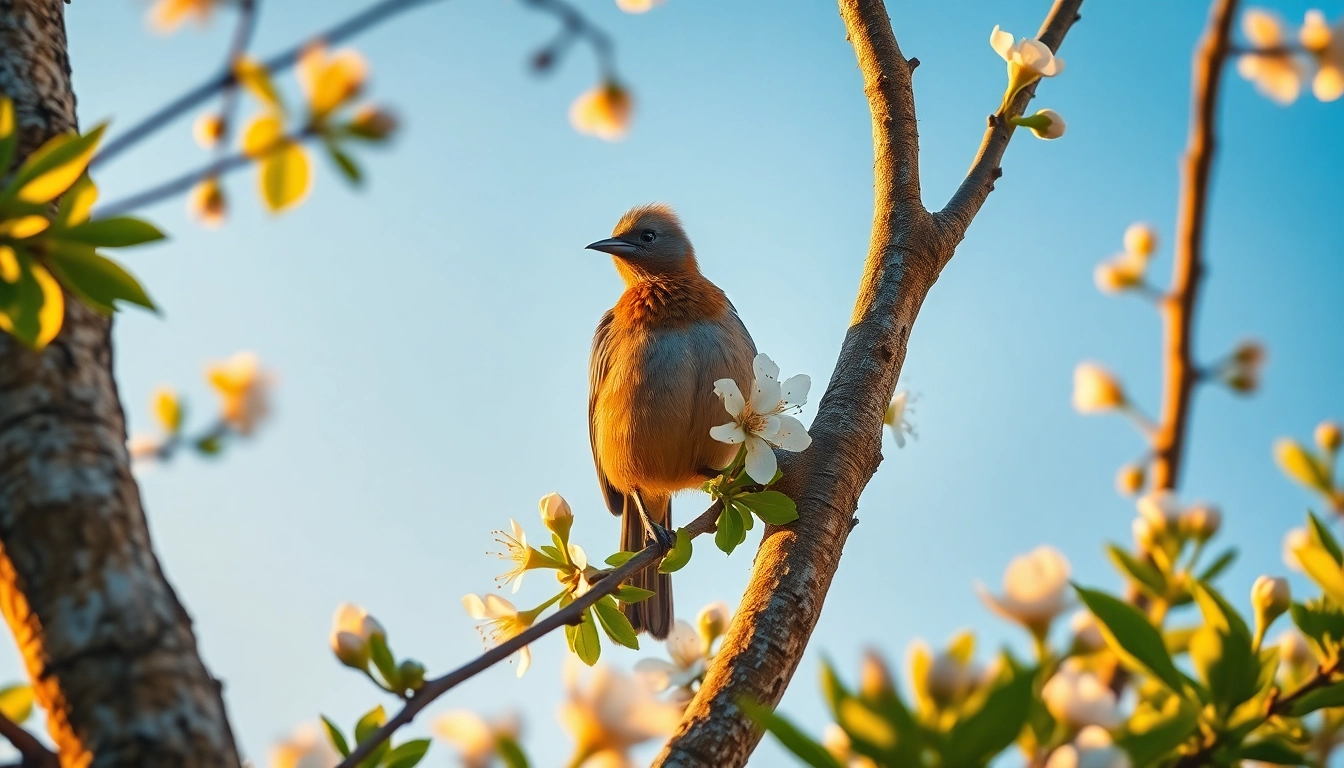
Introduction to Sora
The sora is a remarkable bird that primarily inhabits wetlands across North America. Known for its secretive behavior and distinctive calls, the sora is an integral part of the marsh ecosystems it inhabits. This article delves deep into the life, habitat, and ecological significance of the sora, offering insights into its behavior and tips for birdwatchers interested in observing this elusive species.
Defining the Sora
The sora (Porzana carolina) is a member of the rail family, Rallidae. Characterized by its stocky body, short neck, and long toes, it exhibits a relatively small stature, typically measuring between 8 to 10 inches in length. This bird features a distinctive dark plumage with white spots, making it a unique find for ornithologists and bird enthusiasts alike.
Characteristics of the Sora
Apart from its visual attributes, the sora is noted for its loud, descending whinny call, which can be heard during the breeding season. The bird’s coloration is primarily brown, with streaks of black and gray, allowing it to blend seamlessly into its wetland environment, where such camouflage is crucial for protection from predators. Notably, the sora’s long toes are specially adapted for traversing soft, marshy ground, enabling it to forage effectively for food.
Habitat Preferences
Soras are predominantly found in freshwater marshes, wetlands, and along the edges of ponds and lakes. They prefer areas with dense vegetation where they can hide from predators, as their secretive nature makes them less visible. These habitats are essential, not only for the survival of the sora but for various other wildlife species that contribute to the biodiversity of the ecosystem.
Behavioral Traits of the Sora
Feeding Habits
Soras are omnivorous, with a diet varied according to the seasons and availability of resources. They primarily feed on seeds of wetland plants, small insects, and aquatic invertebrates. Their feeding behavior is characterized by foraging in shallow waters, where they use their long, sensitive bills to probe the mud and locate hidden food. This foraging strategy plays a significant role in maintaining the health of wetland ecosystems, as it helps control insect populations and promotes plant growth.
Nesting and Reproduction
The breeding season for the sora generally begins in late spring. Soras build their nests in dense marsh vegetation, typically creating a bowl-shaped structure lined with reeds and grass. The female lays between 6 to 12 eggs, which she incubates for about 18 days. Both parents are involved in caring for the young, which leaves the nest shortly after hatching, although they remain dependent on their parents for food for several weeks.
Social Interactions
Soras are generally solitary creatures, though they may be seen in small groups during migration or in wintering grounds. Their social interactions are often characterized by vocalizations, especially during the mating season when males call out to attract females. While they are not known for complex social structures, their behaviors during breeding and parenting showcase a commitment to their offspring and a certain level of communication between mates.
The Role of Sora in Ecosystem
Importance of Wetlands
Wetlands are vital ecosystems that serve numerous ecological functions, including water filtration, flood control, and as a habitat for diverse species. The sora significantly contributes to these ecosystems by playing a role in seed dispersal and providing food for predators, thus maintaining the balance of the food web. Protecting these habitats is crucial for the survival of the sora and many other wildlife species that depend on wetlands.
Species Relationship
The sora coexists with various other species in wetlands, including amphibians, fish, and other bird species. Its presence indicates a healthy ecosystem, as it often thrives in areas with abundant plant diversity and clean waters. The relationships between the sora and other species, whether through predation or competition for resources, underline the interconnectedness of wetland inhabitants and the importance of maintaining biodiversity.
Conservation Status
While the sora is currently not considered endangered, it faces threats due to habitat loss from urban development, agriculture, and climate change. Protecting wetland areas and implementing conservation initiatives are essential to ensure that the populations of the sora and other dependent species remain stable. Continuous monitoring of their populations also helps in assessing the overall health of wetland ecosystems.
Observation Tips for Enthusiasts
Best Locations for Sora Watching
Birdwatchers looking to observe the sora should focus on freshwater marshes and wetlands, especially those with dense reed beds. Locations such as wildlife refuges, national parks, and local nature reserves often provide excellent opportunities for sightings. Areas like the Great Marsh in Illinois or the Okefenokee Swamp in Georgia are renowned for their sora populations.
Optimal Seasons for Sightings
The best time to observe sora is during the breeding season, from late spring to early summer when males are most vocal. Additionally, autumn migration periods offer a chance to spot these birds as they gather in suitable wetland areas before heading south. Spring migrations also provide unique opportunities as these birds return to their breeding grounds.
Equipment and Preparation
To successfully observe the sora, it’s essential to have the right equipment. A pair of binoculars with a good range and a bird guidebook can enhance the experience. Additionally, a camera with a zoom lens can help capture the elusive bird without disturbing its natural habitat. Wearing appropriate clothing for wet and marshy conditions helps ensure a comfortable and fruitful observation experience.
FAQs About Sora
What does a Sora eat?
Soras primarily feed on seeds, insects, and aquatic plants found in wetland areas, playing an important role in their ecosystems.
Where can I find Soras?
Soras are commonly found in marshes, wetlands, and along the edges of ponds and lakes, where they can hide among dense vegetation.
Are Soras migratory birds?
Yes, Soras migrate seasonally between breeding and wintering grounds, often moving south for the winter to avoid harsh conditions.
How can I identify a Sora?
Soras can be identified by their short stature, distinctive call, and dark plumage with white spots, which help them blend into their habitat.
What is the conservation status of Sora?
Soras are currently not endangered but face habitat loss due to wetland destruction, highlighting the need for conservation efforts.